
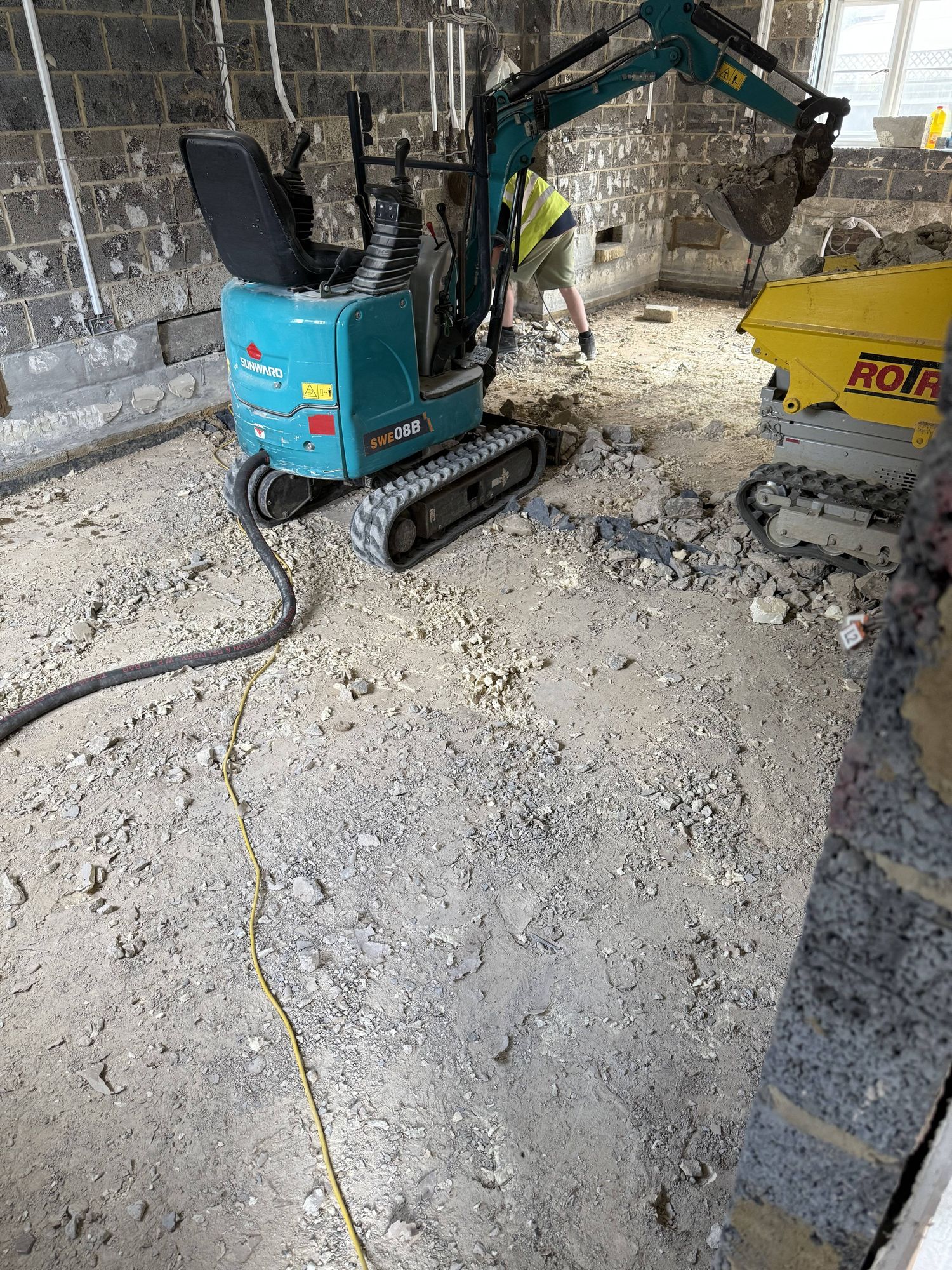
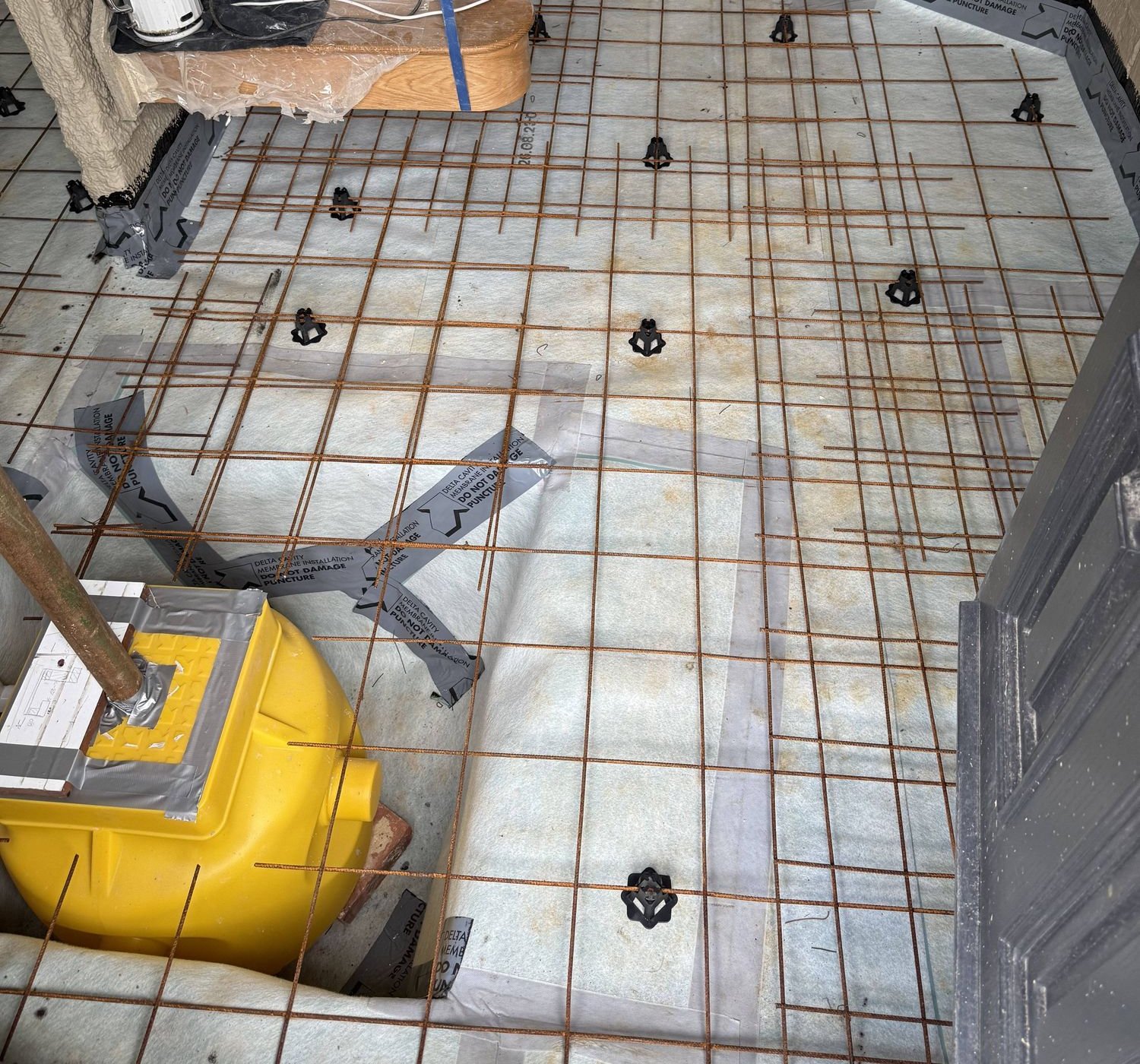
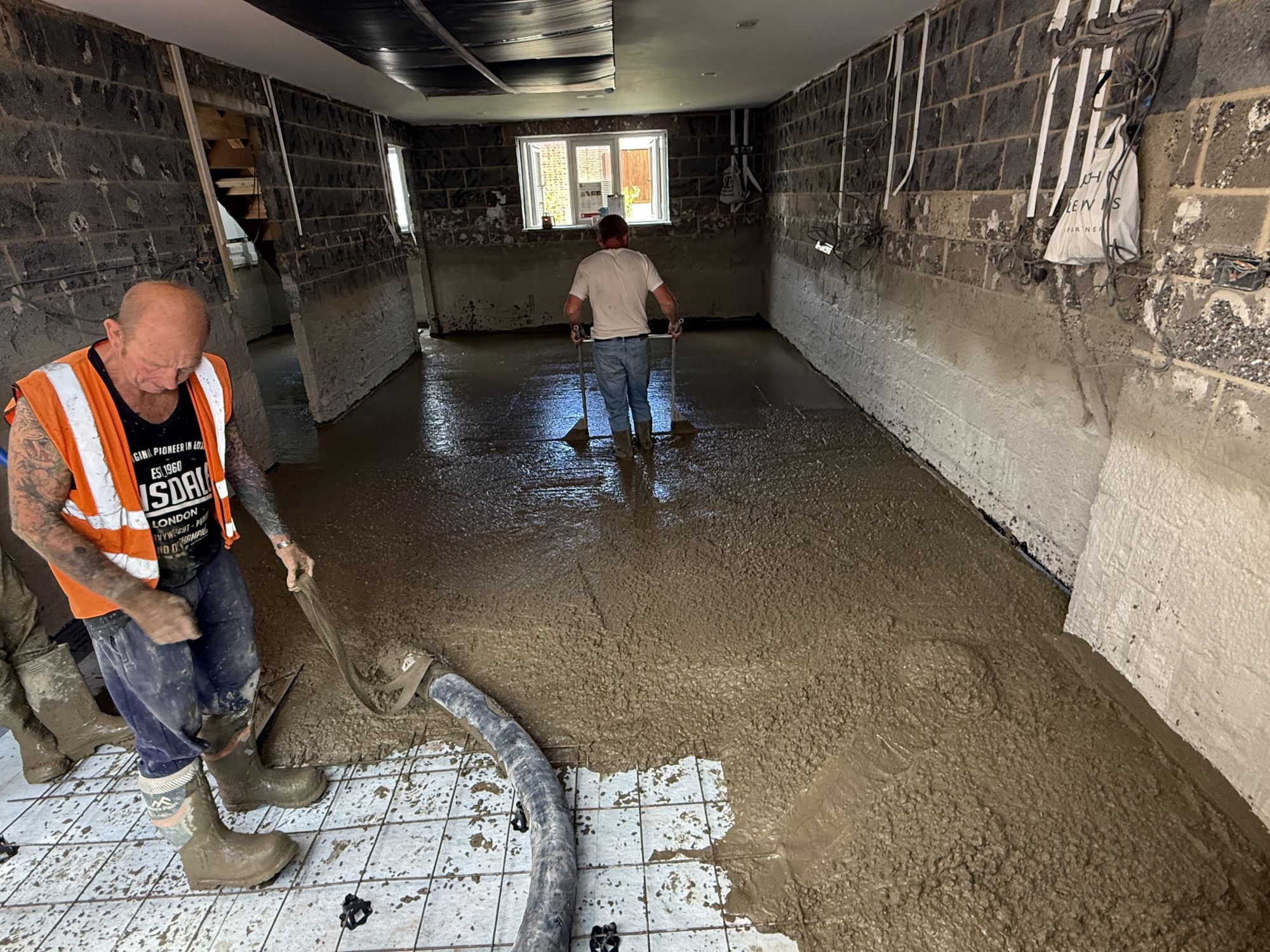
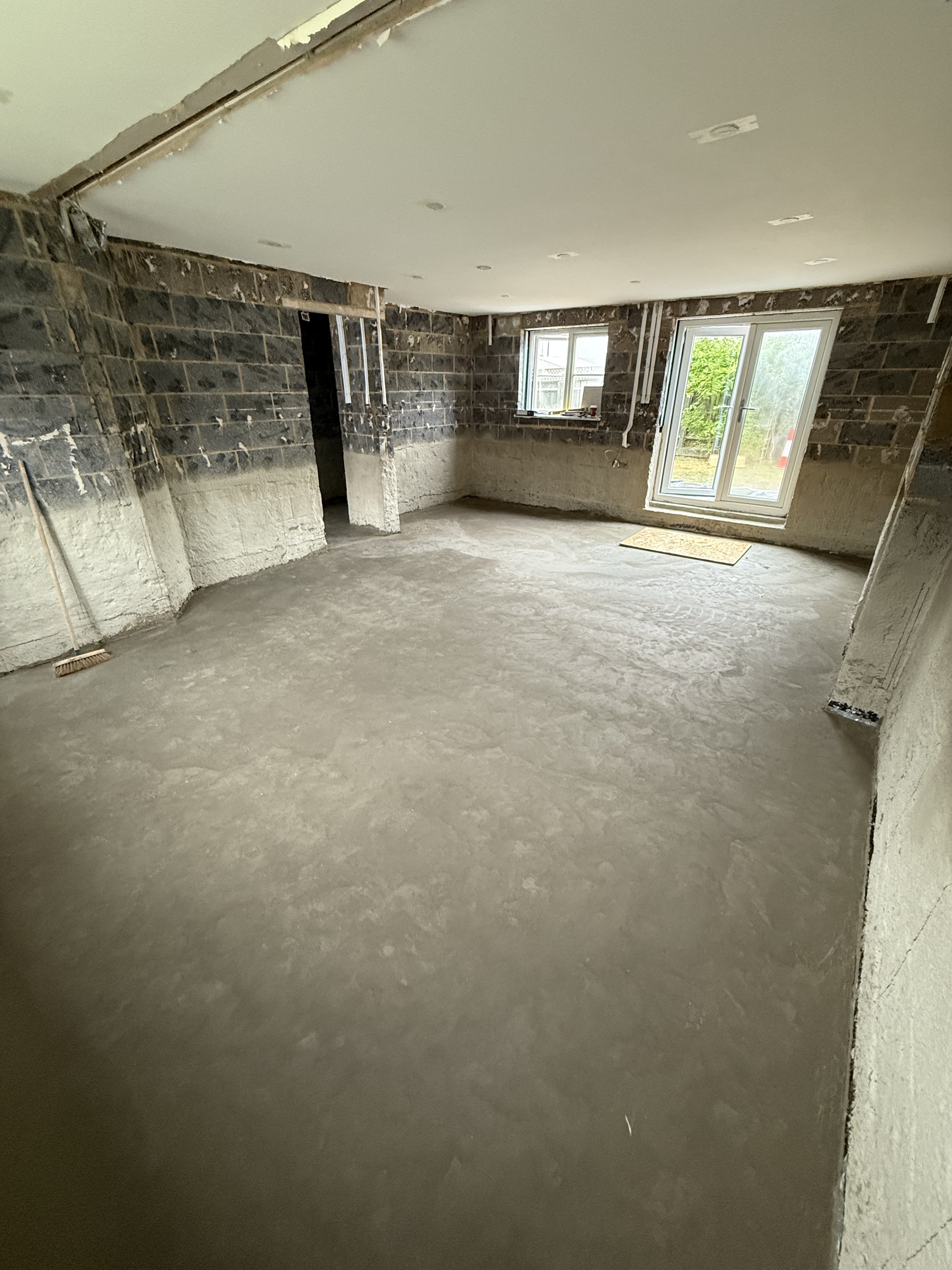
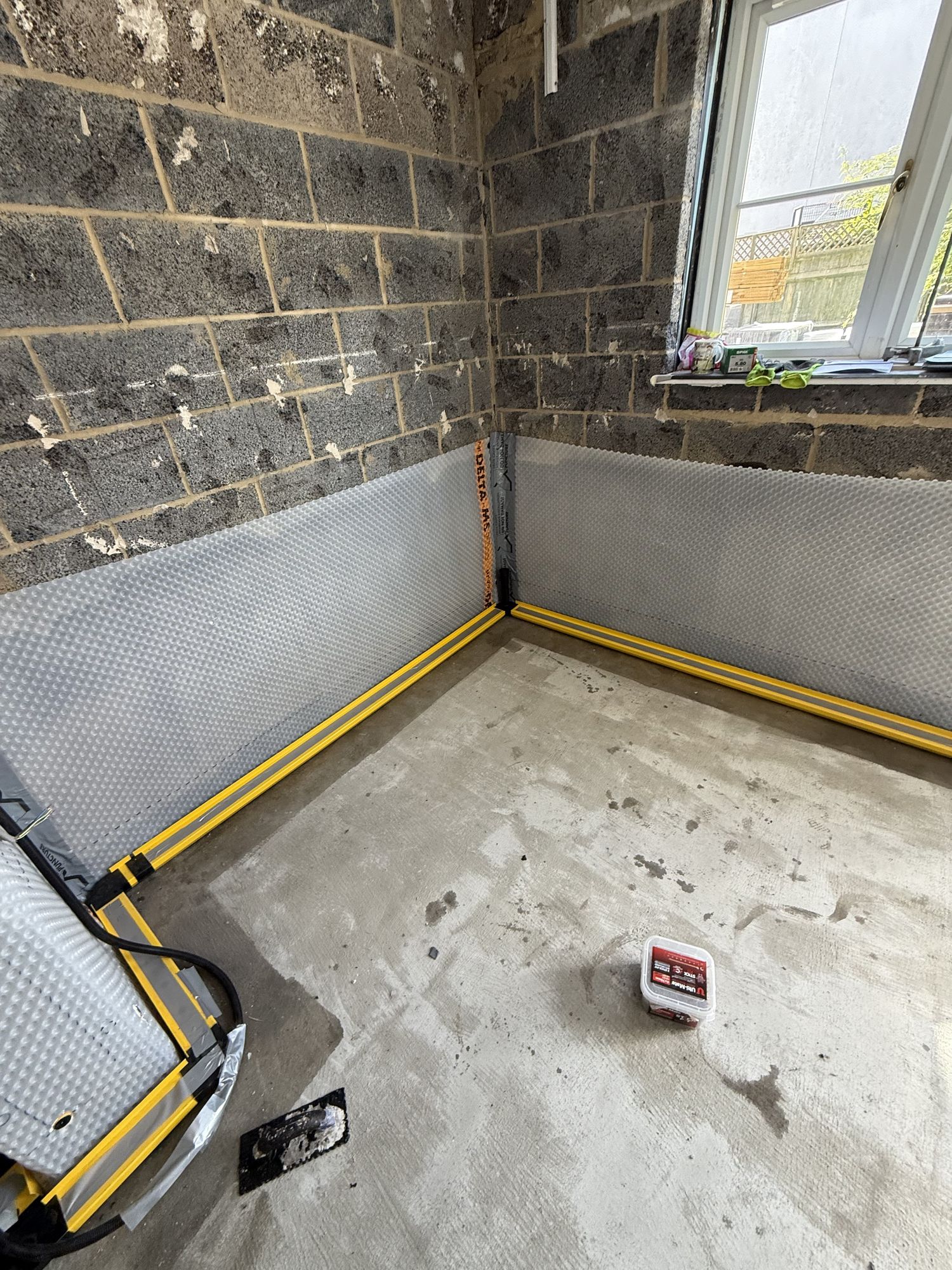
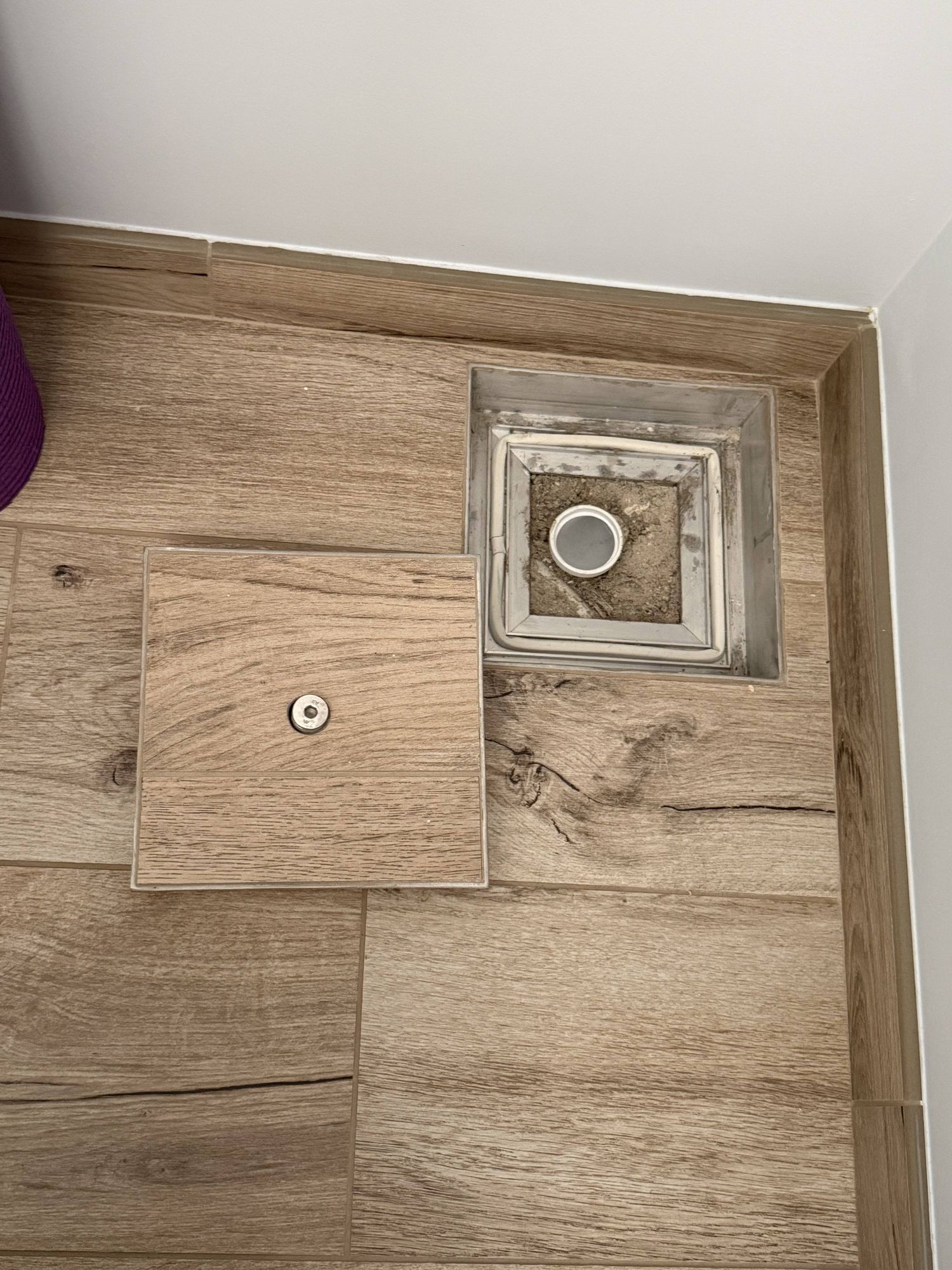
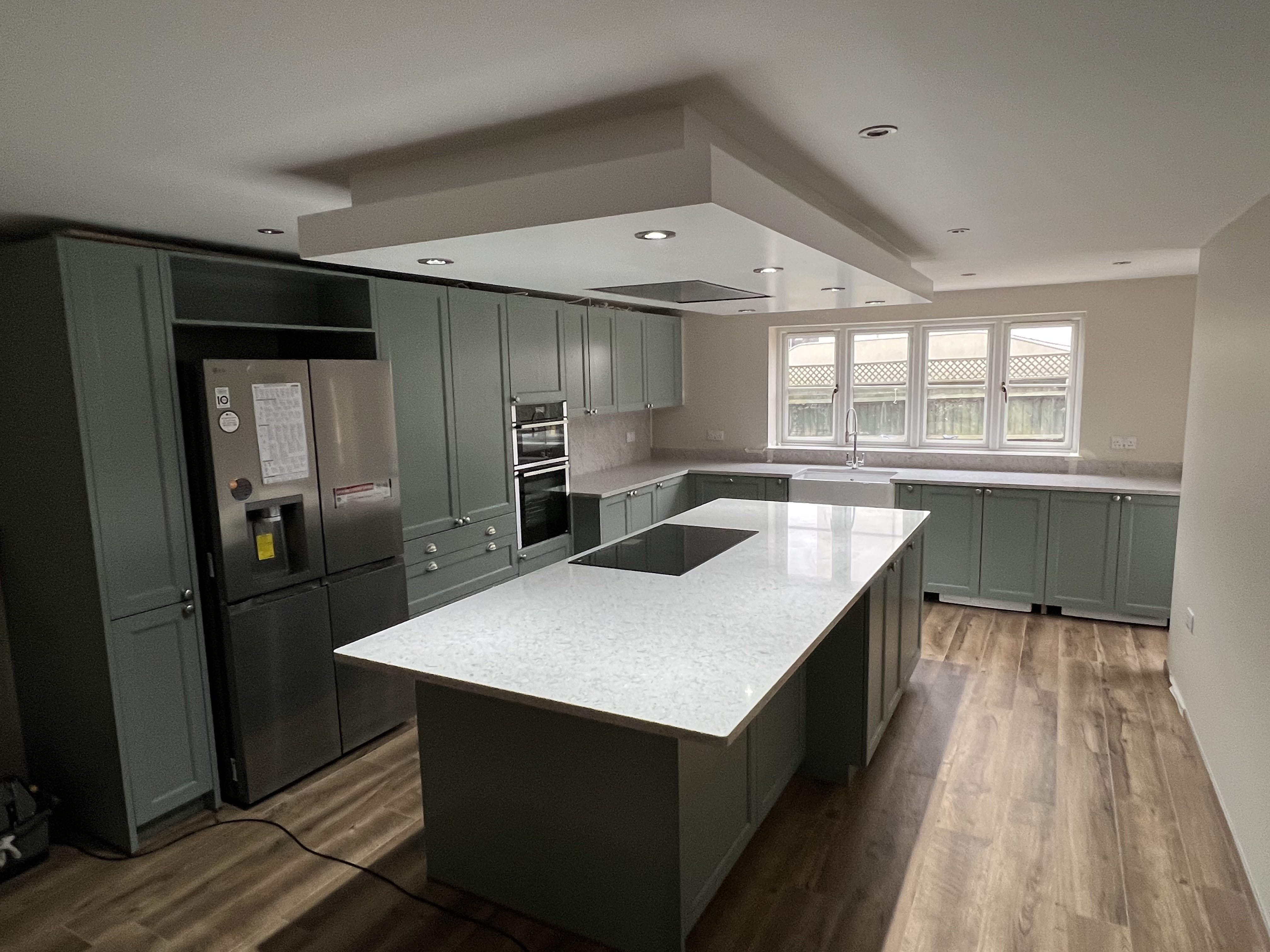
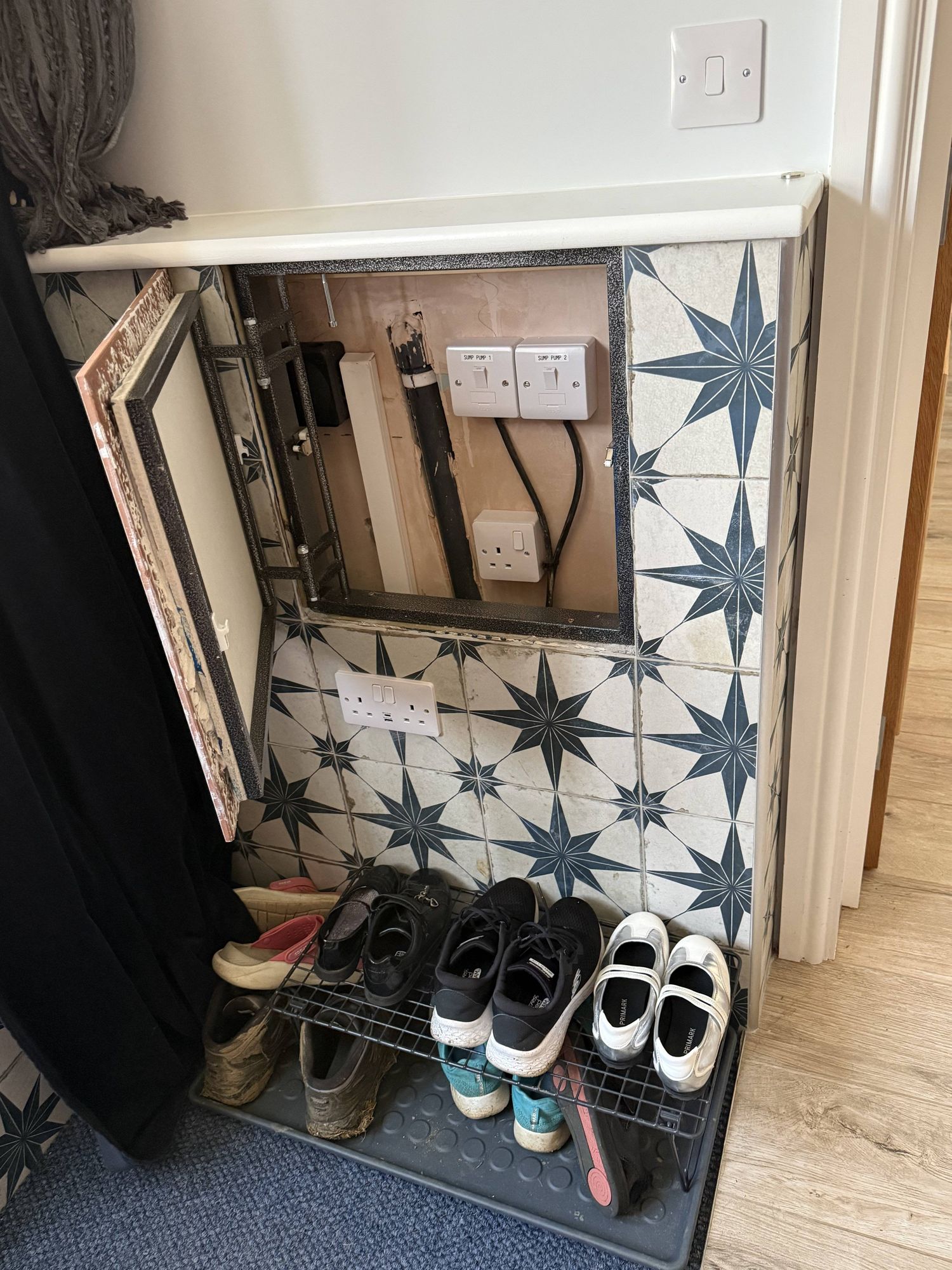
Every photograph on this page was taken at the property that led to RISE being founded. None of it is stock photography.
The beginning. The full extent was not discovered until six weeks after the initial flood.
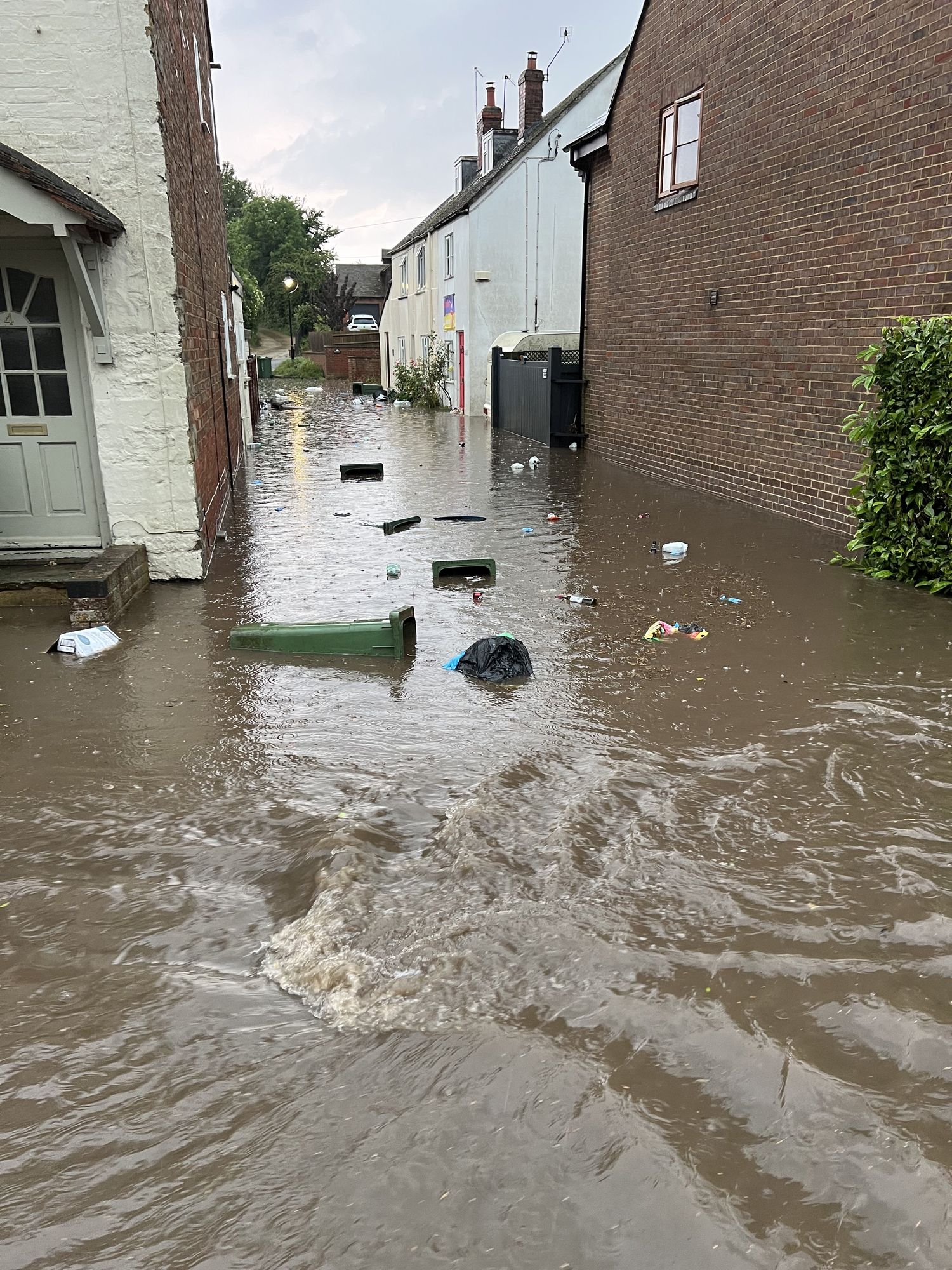
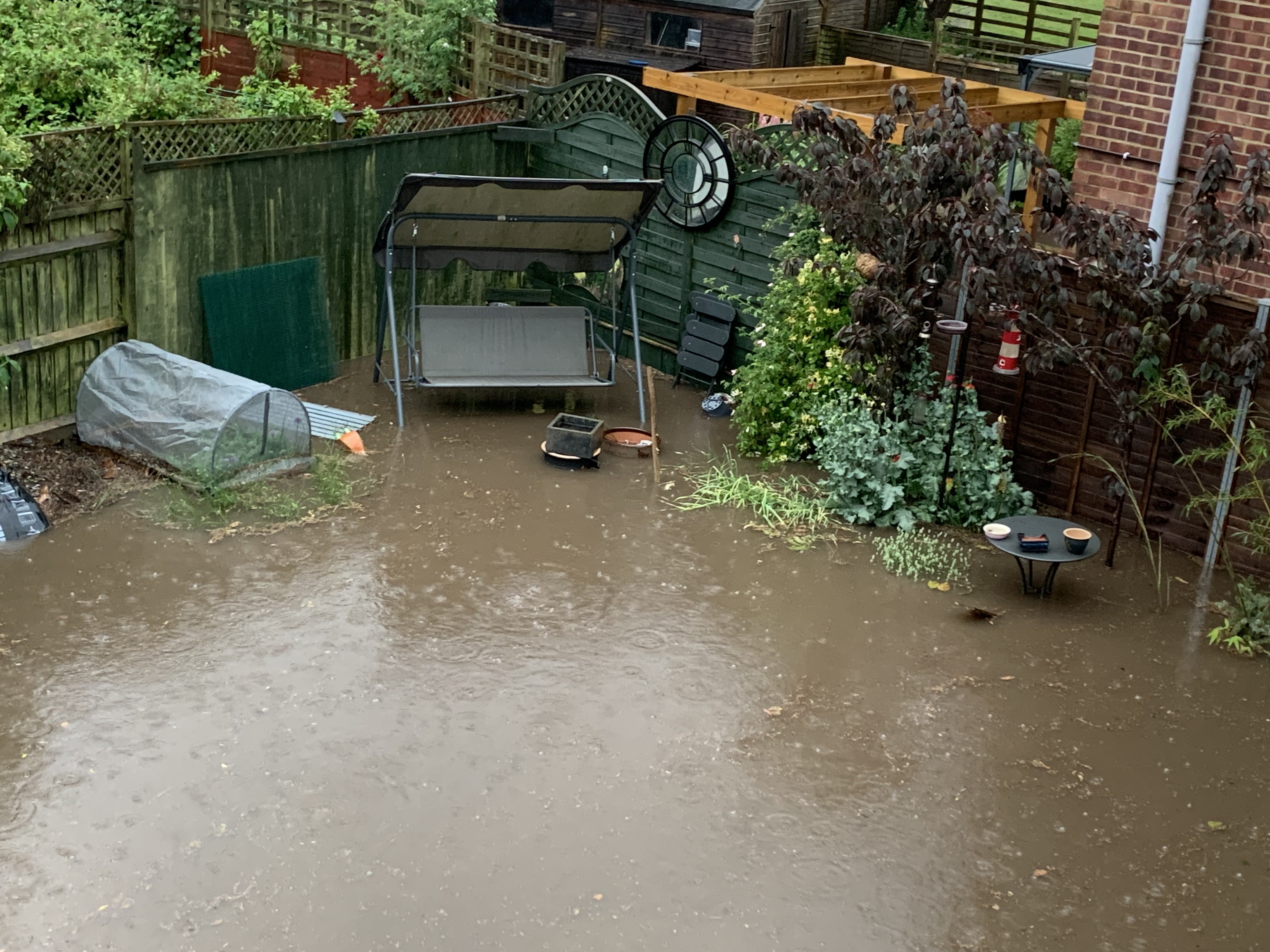
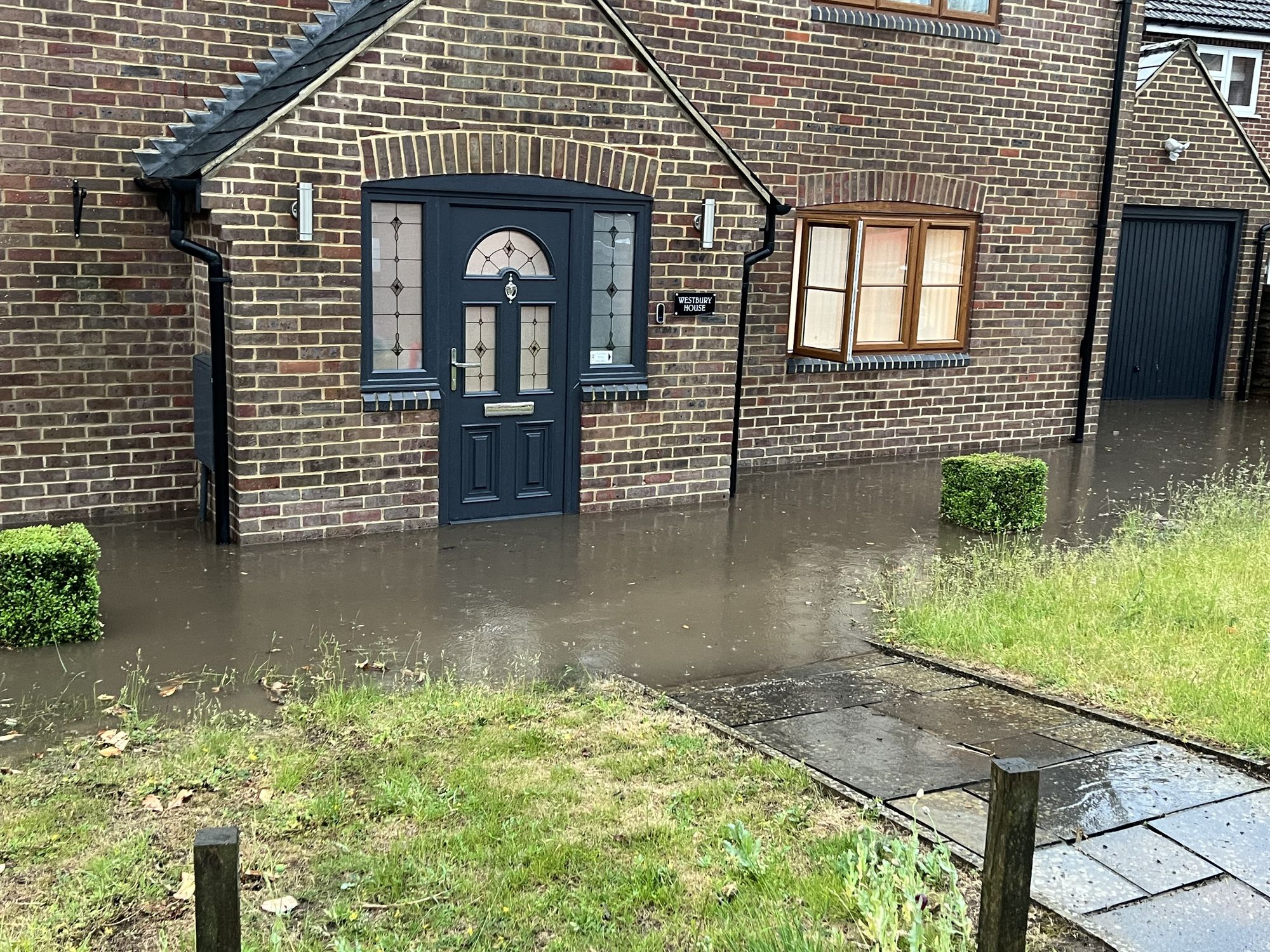
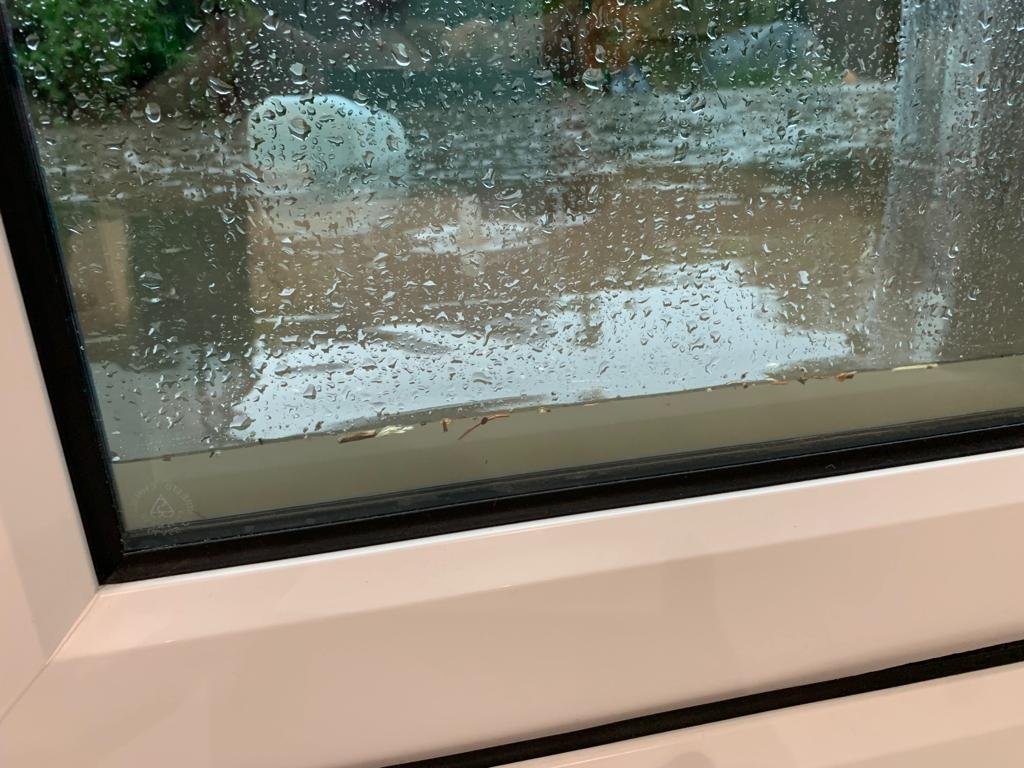
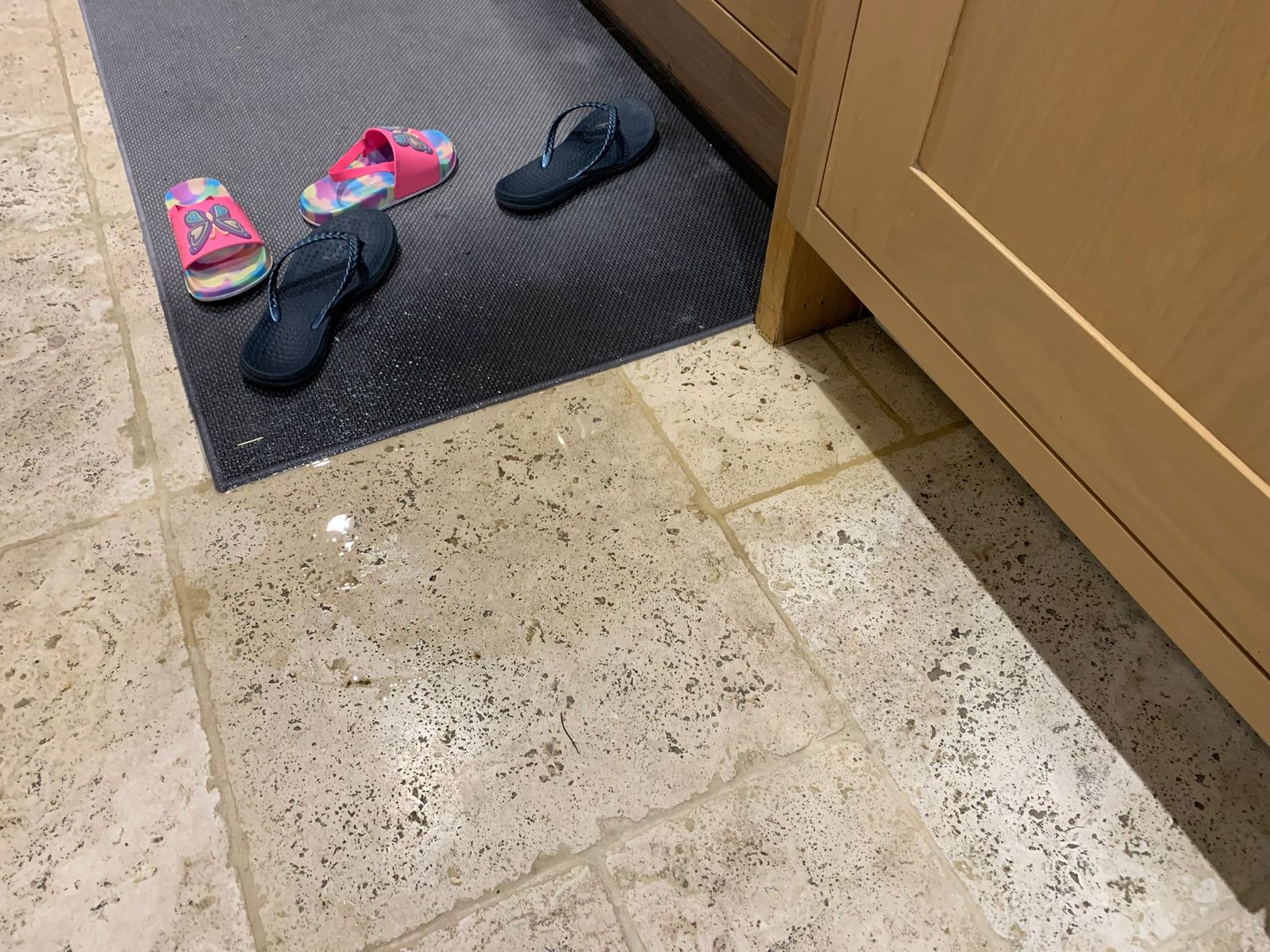
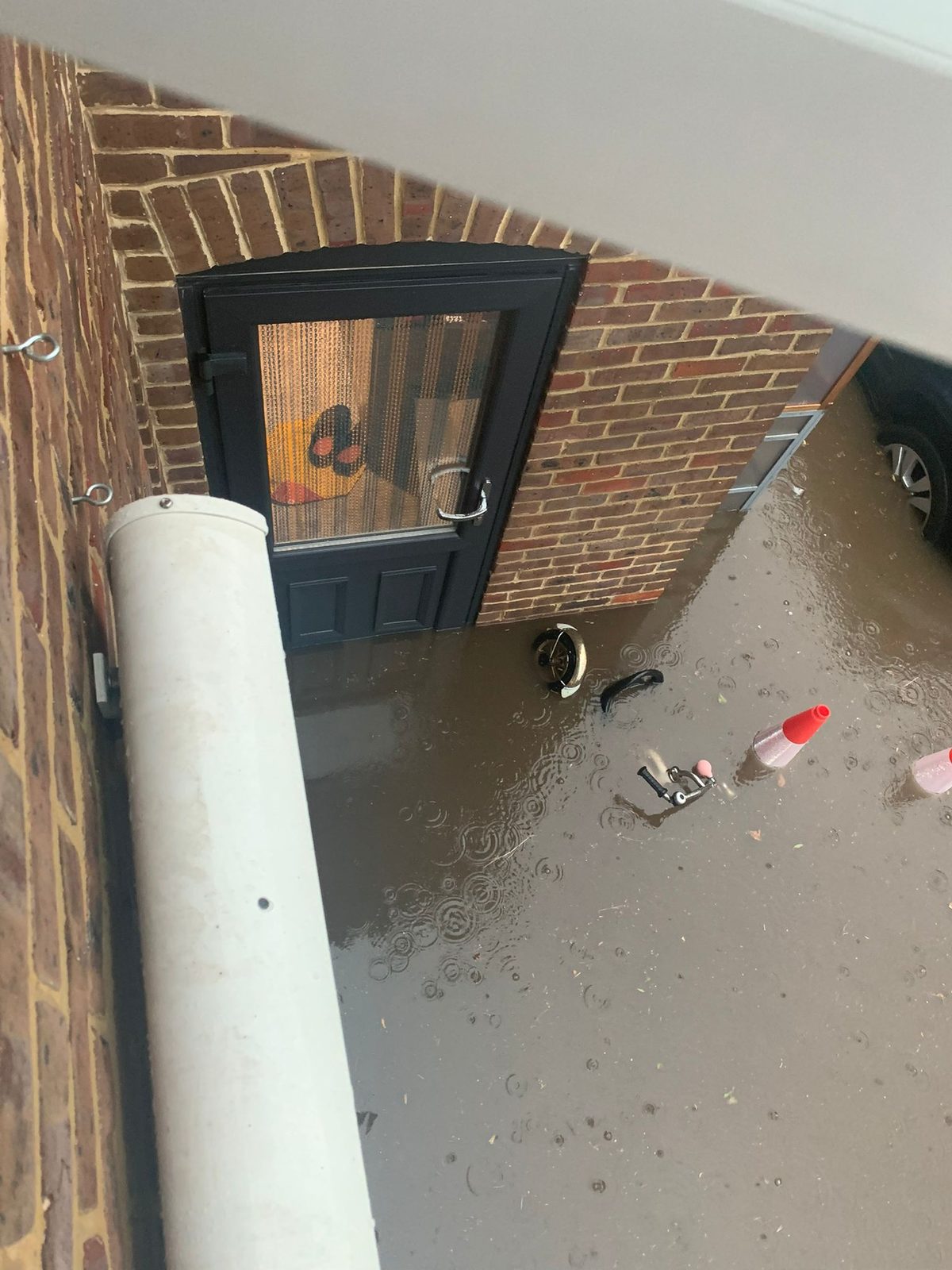
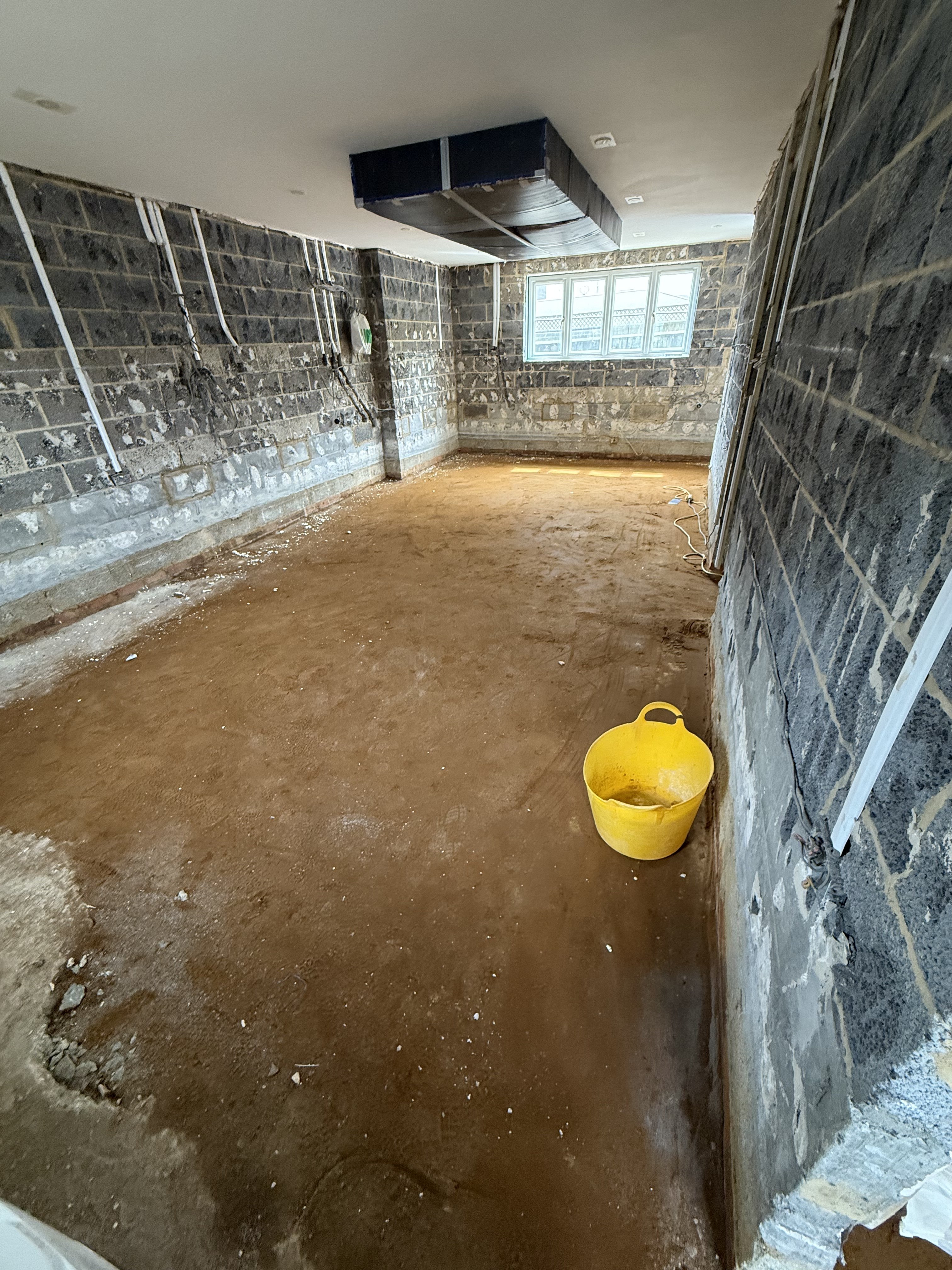
Two months after the flood — the damage the insurer never properly assessed.
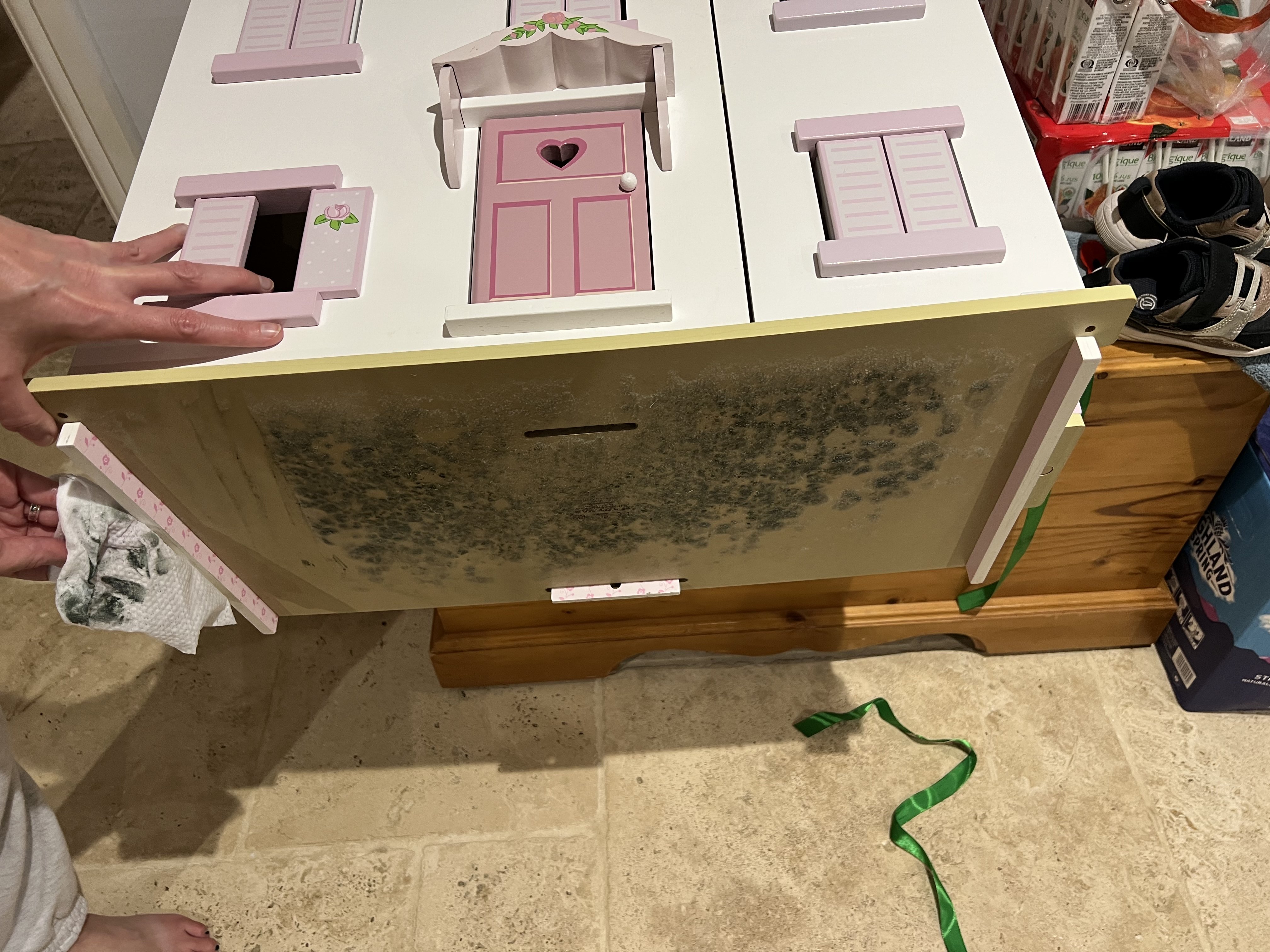
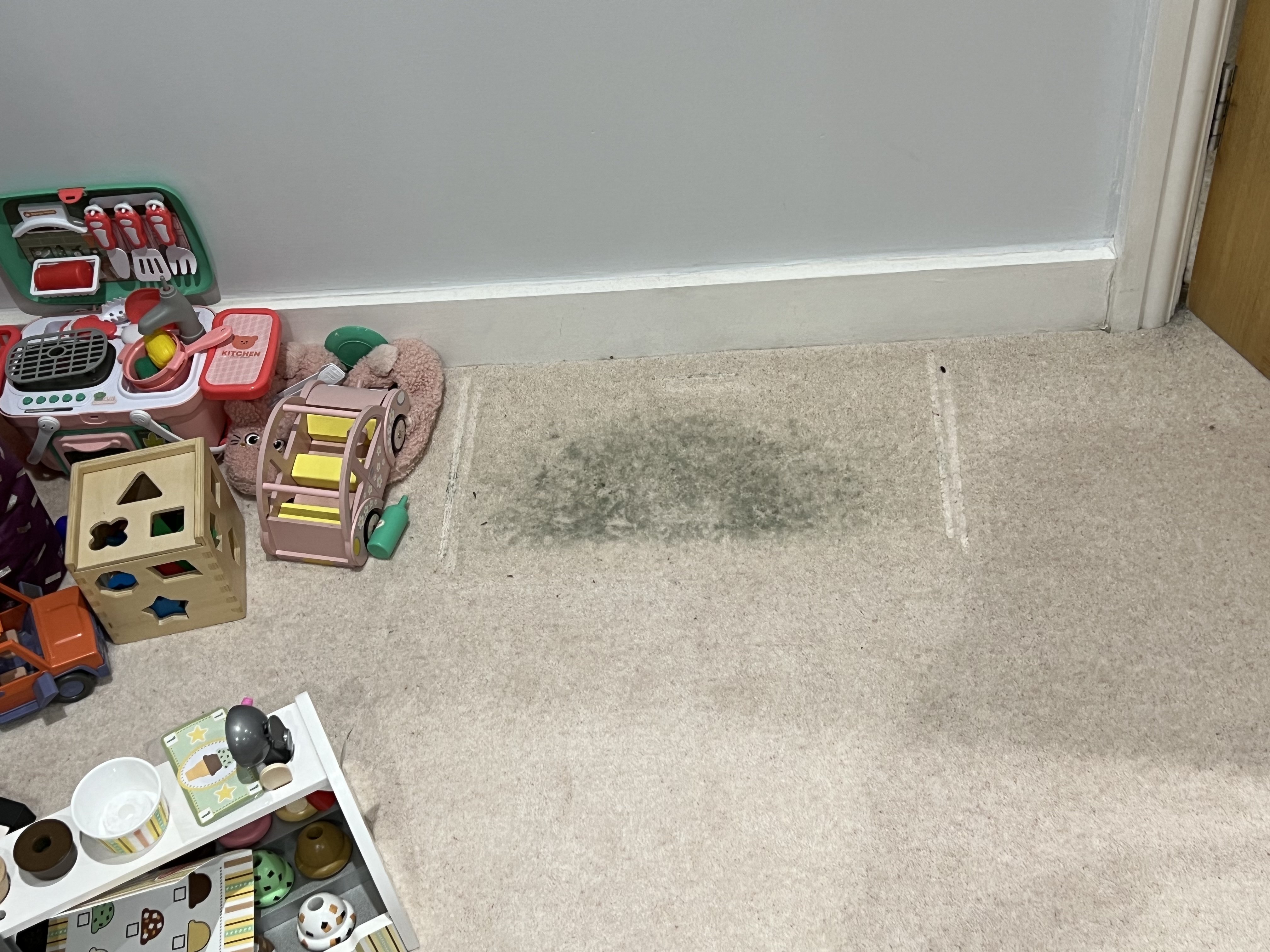
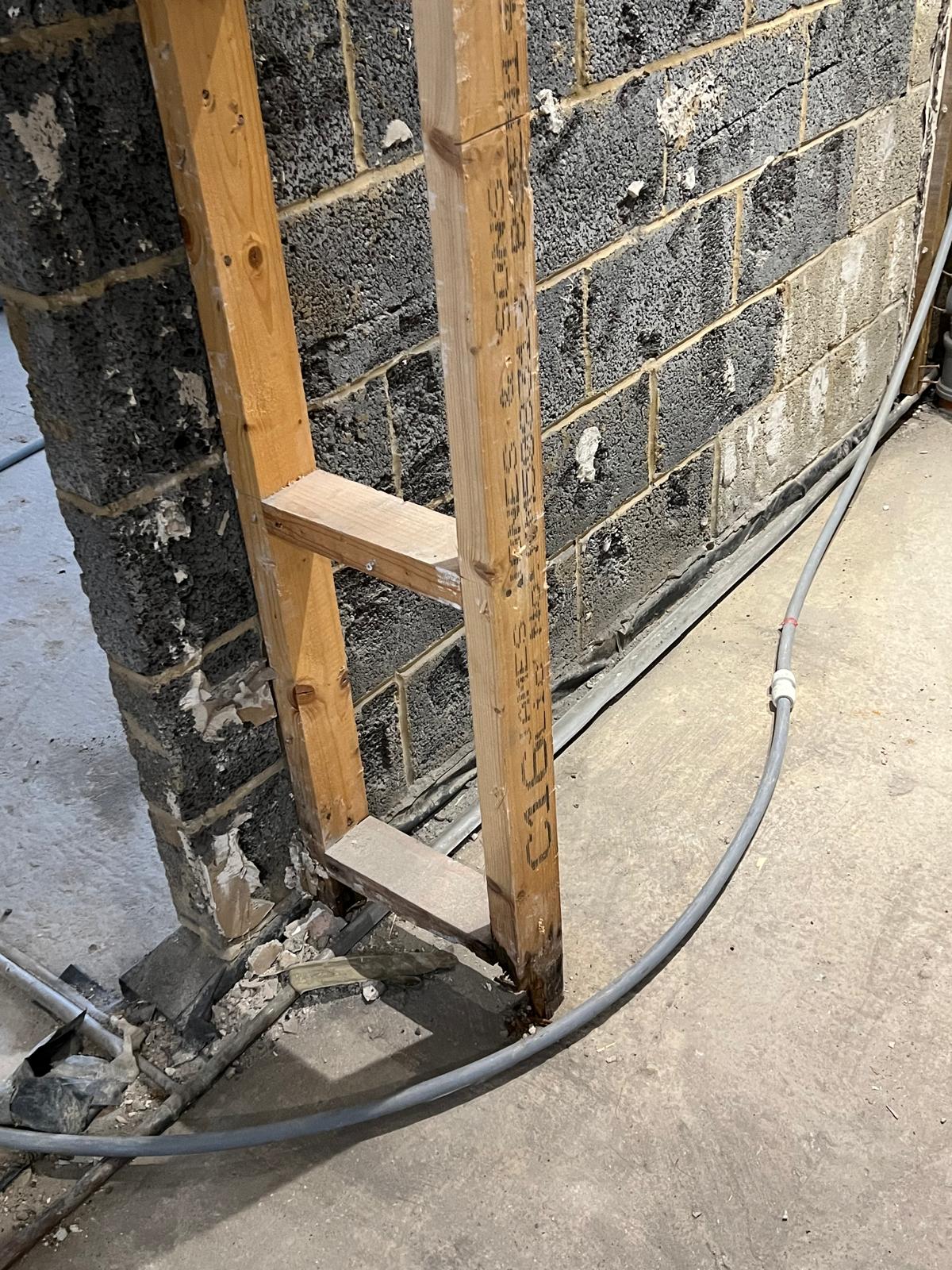
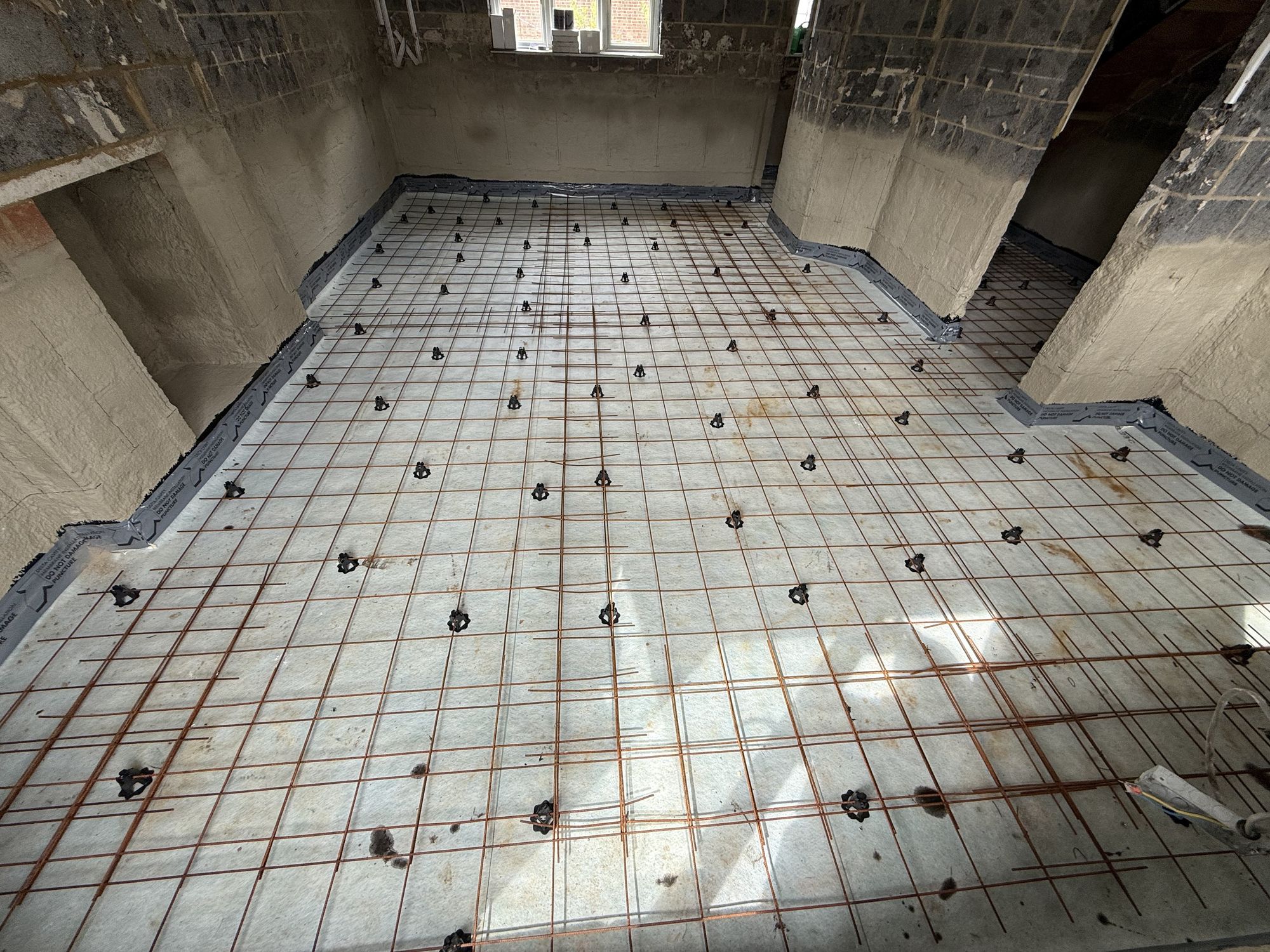
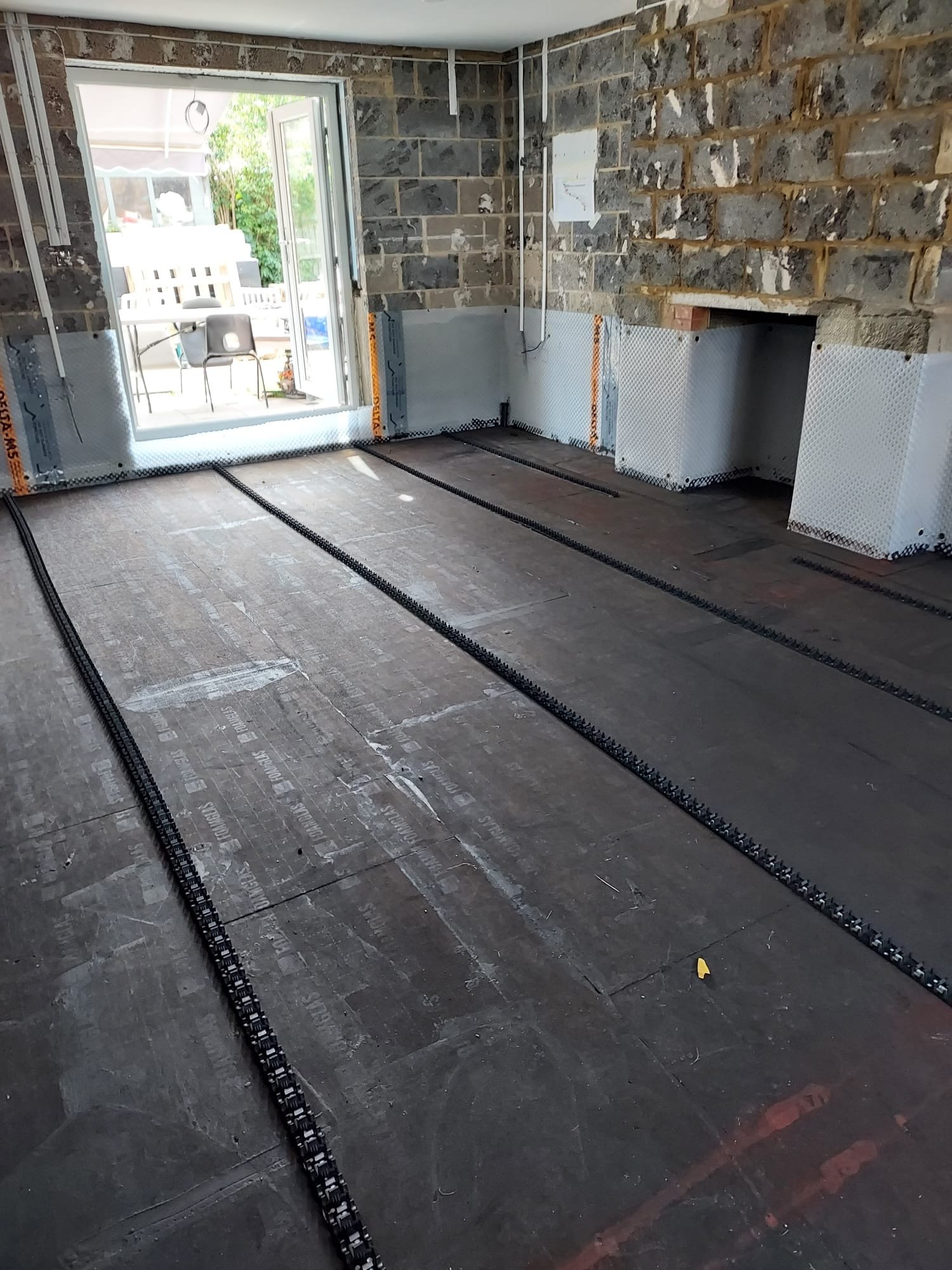
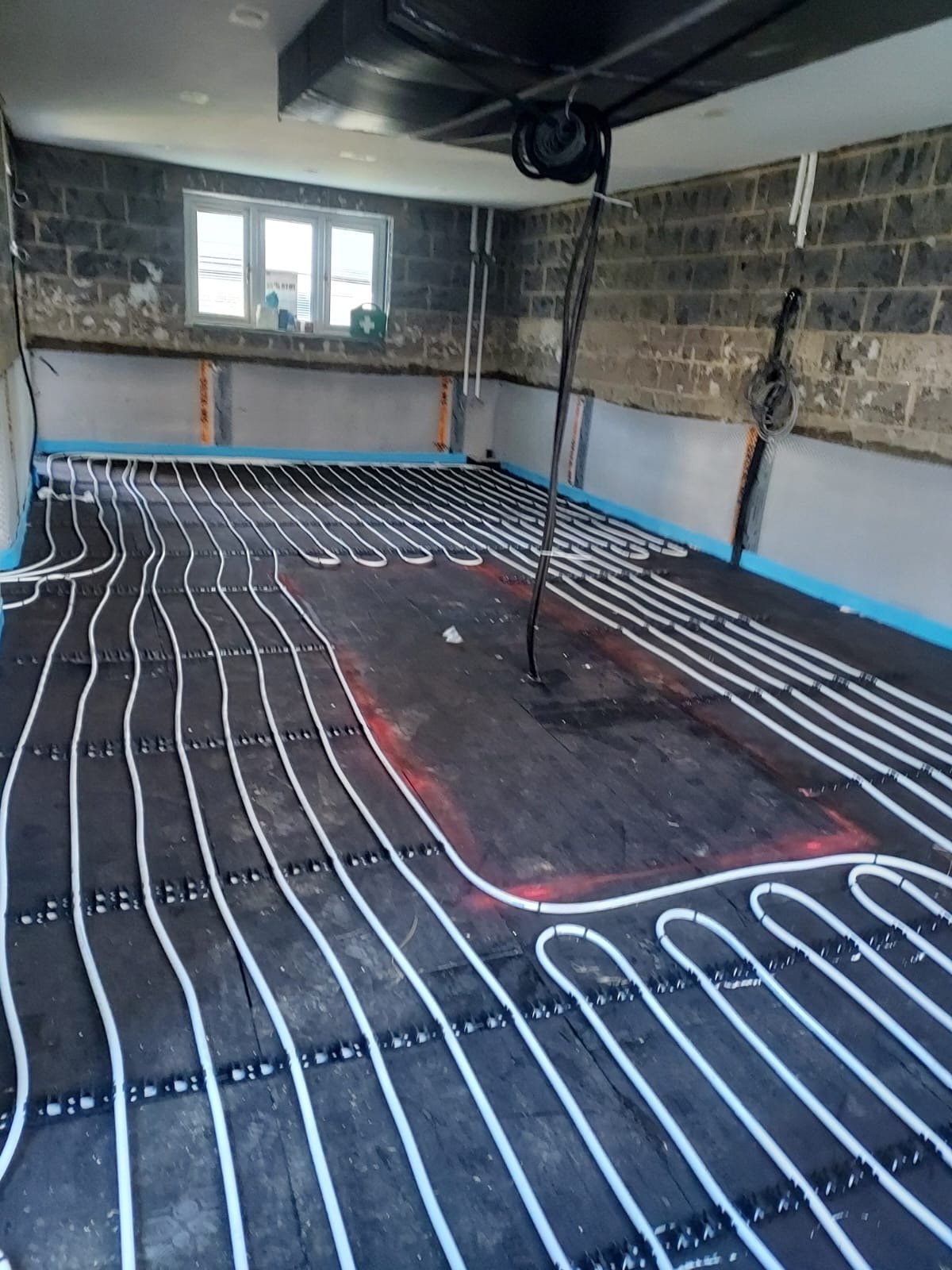
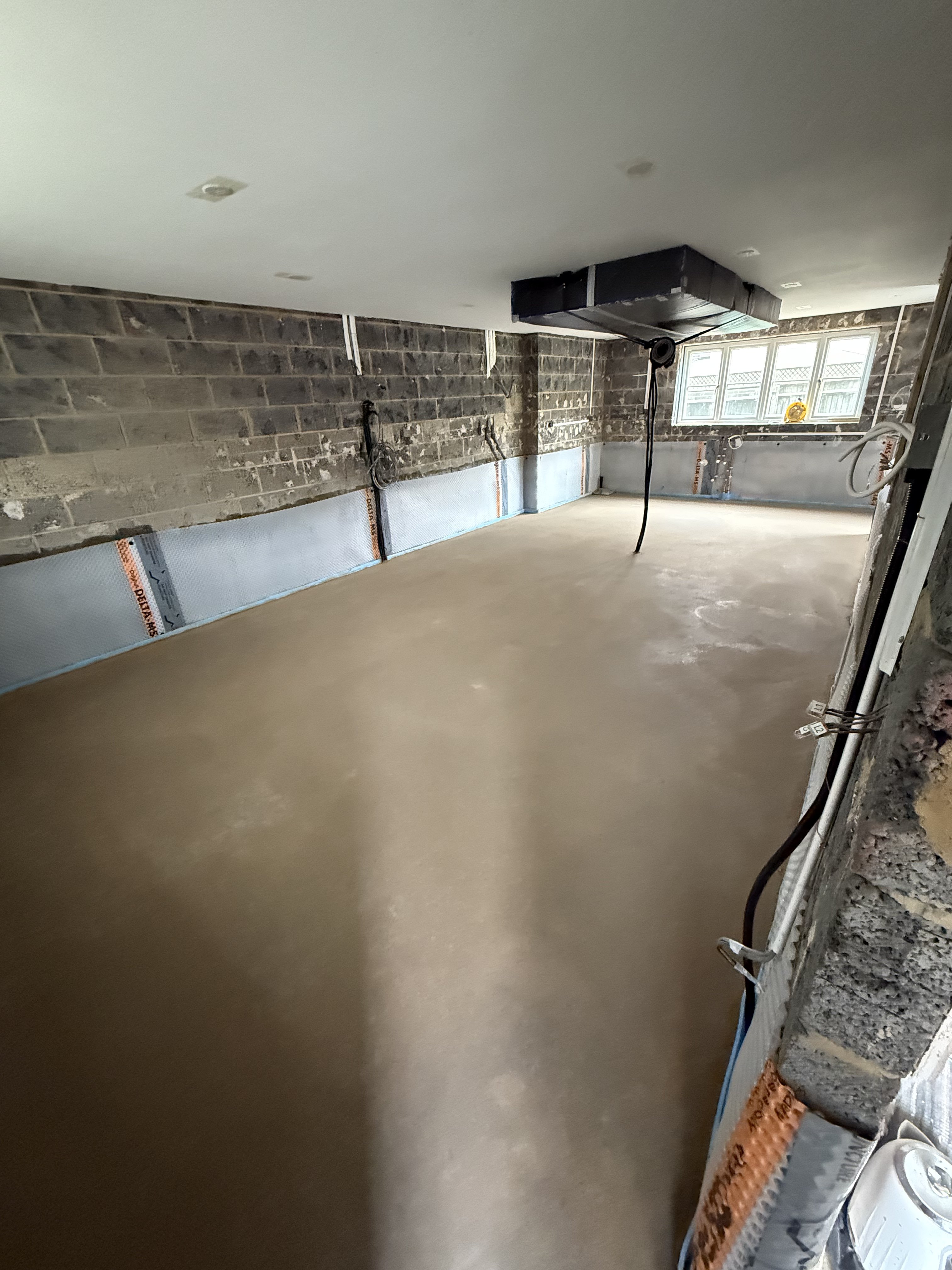
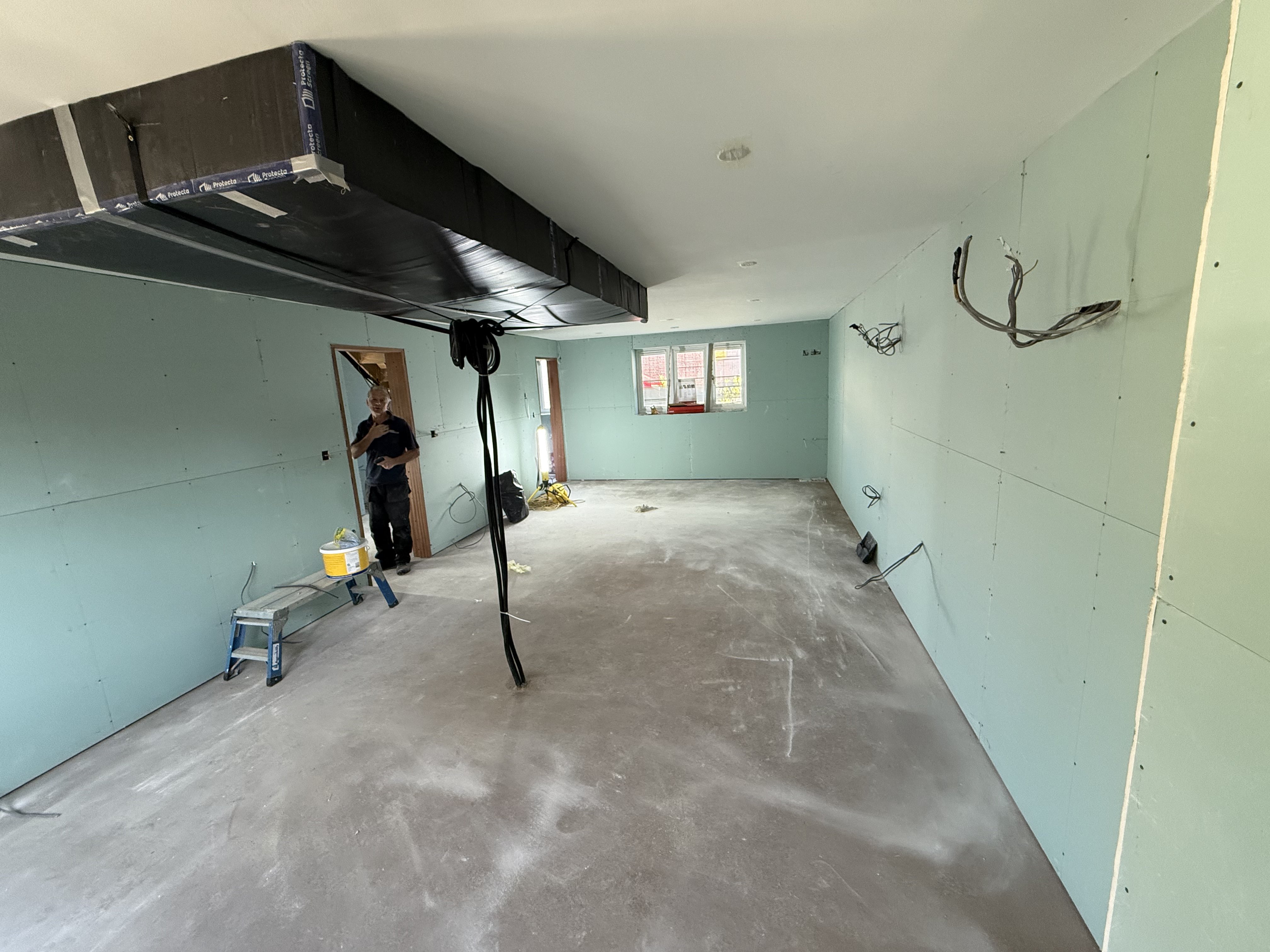
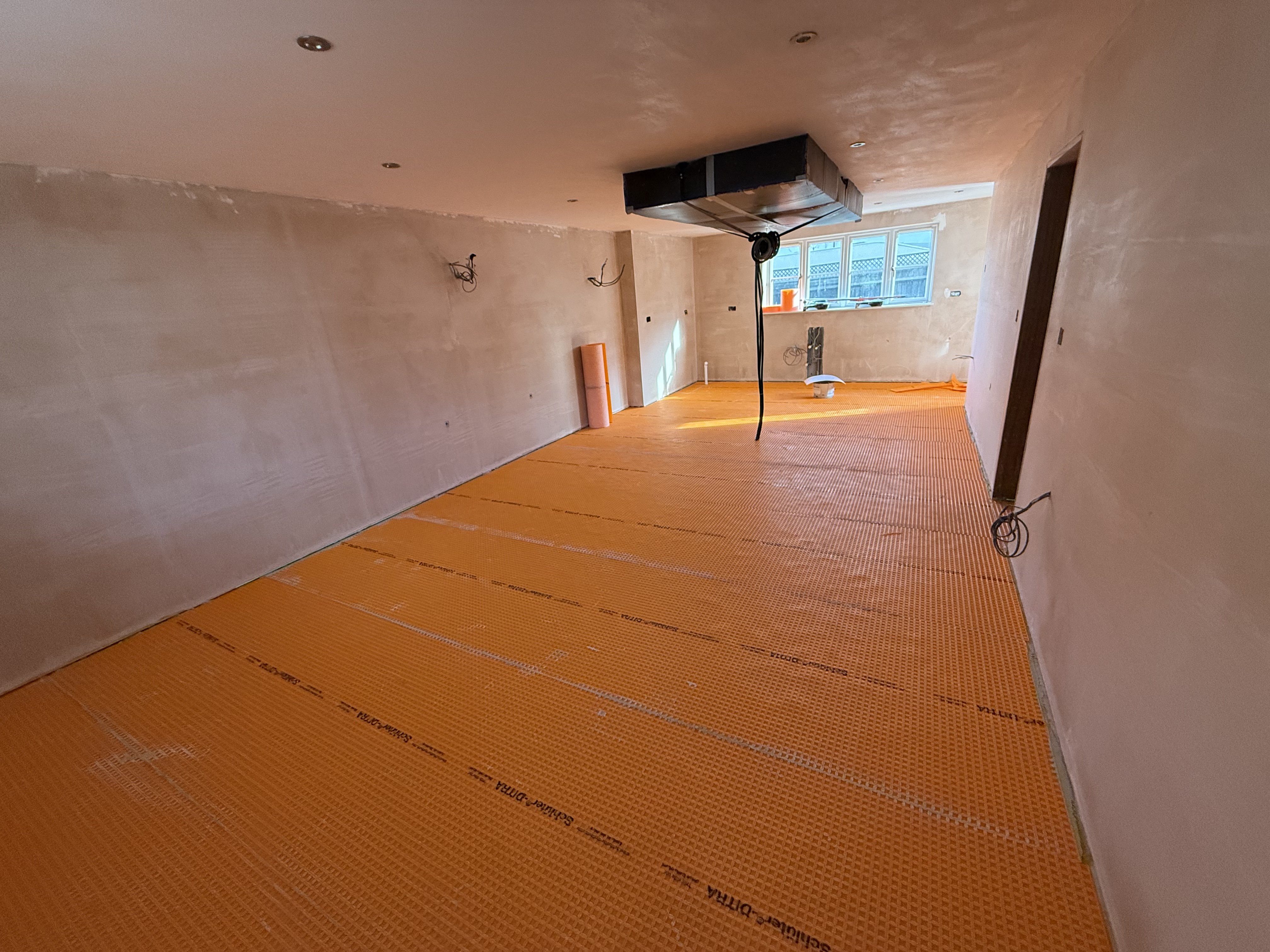
The insurer's contractor reinstated the property. Five weeks later it flooded again.
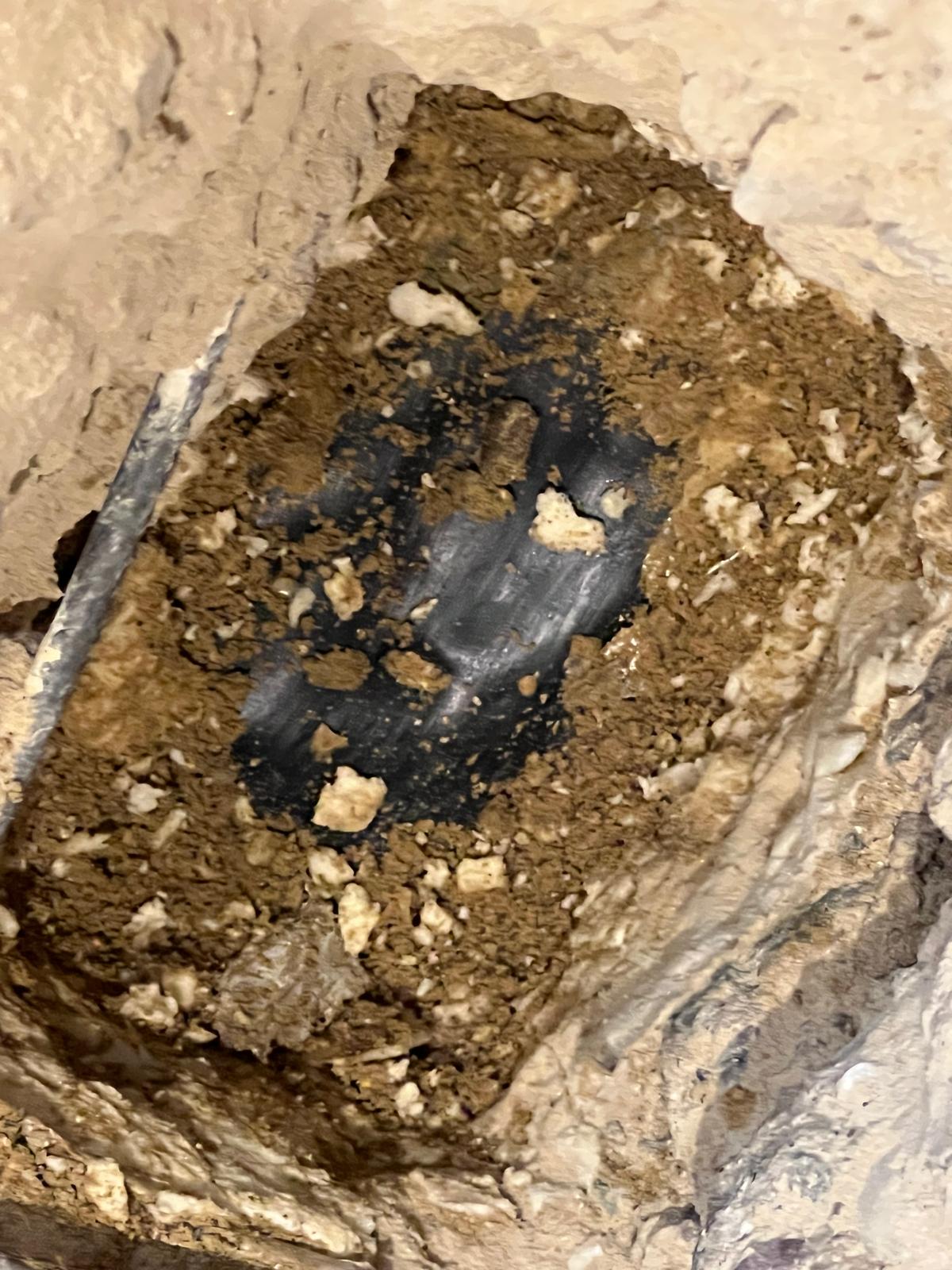
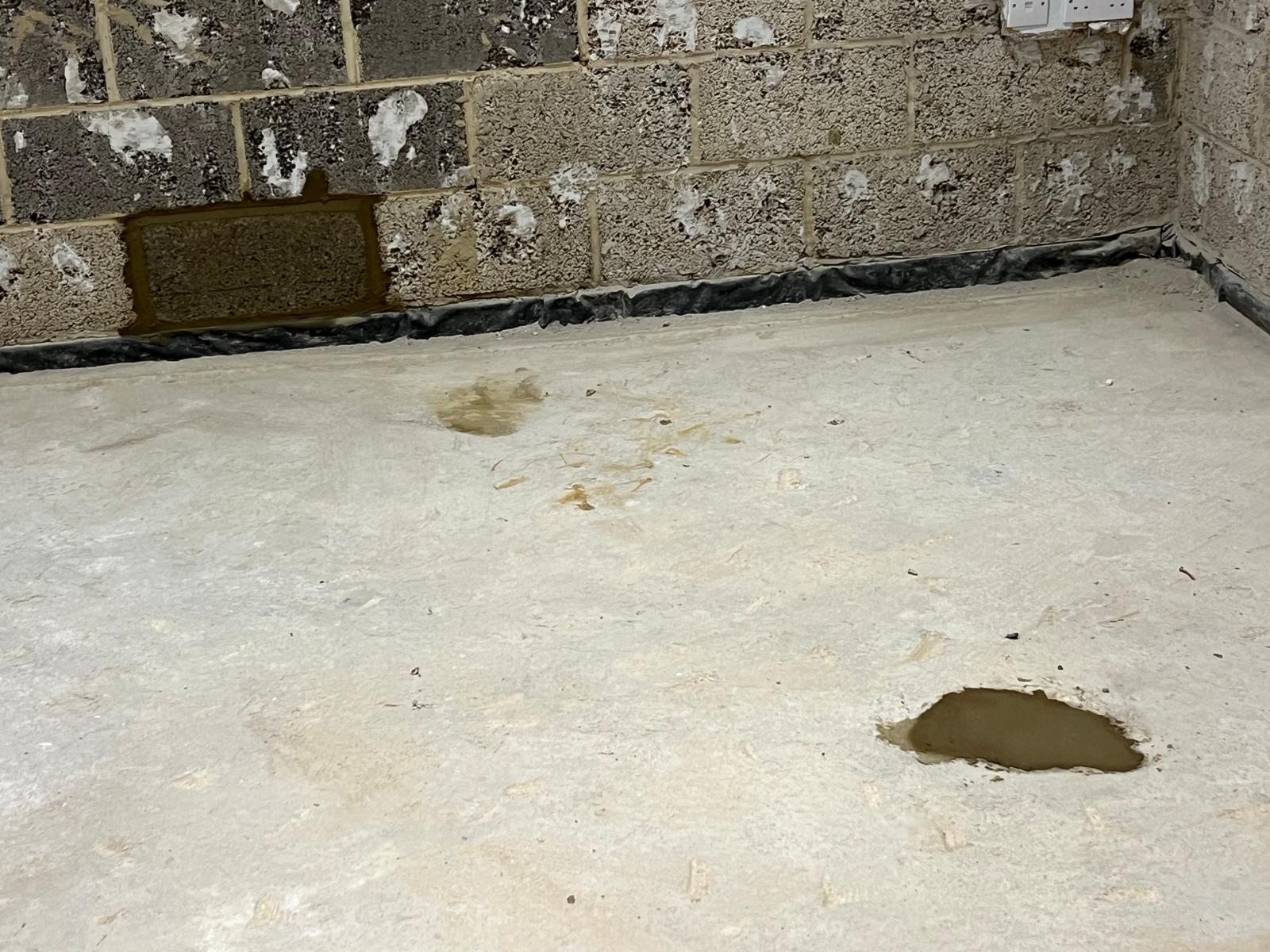
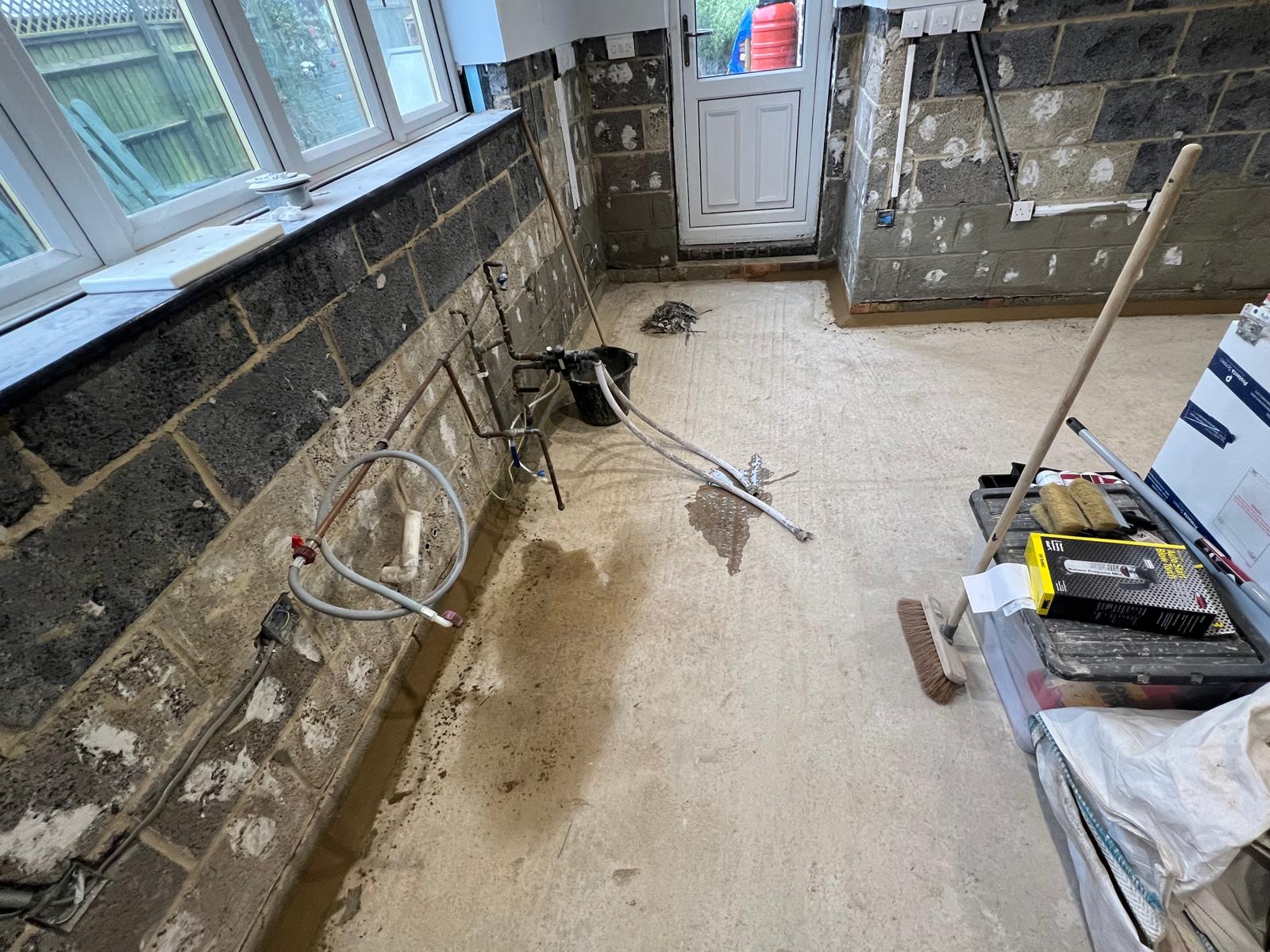
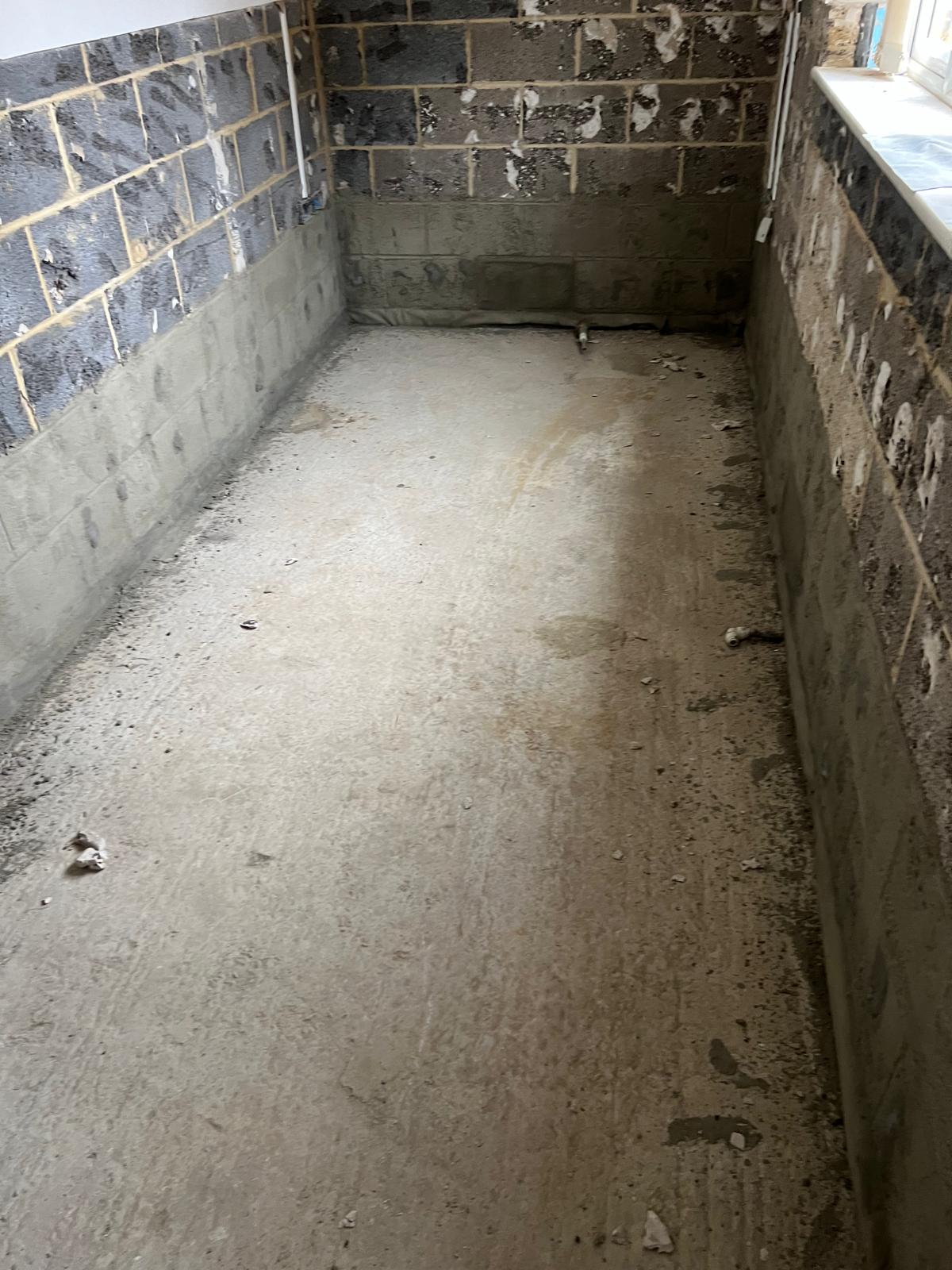
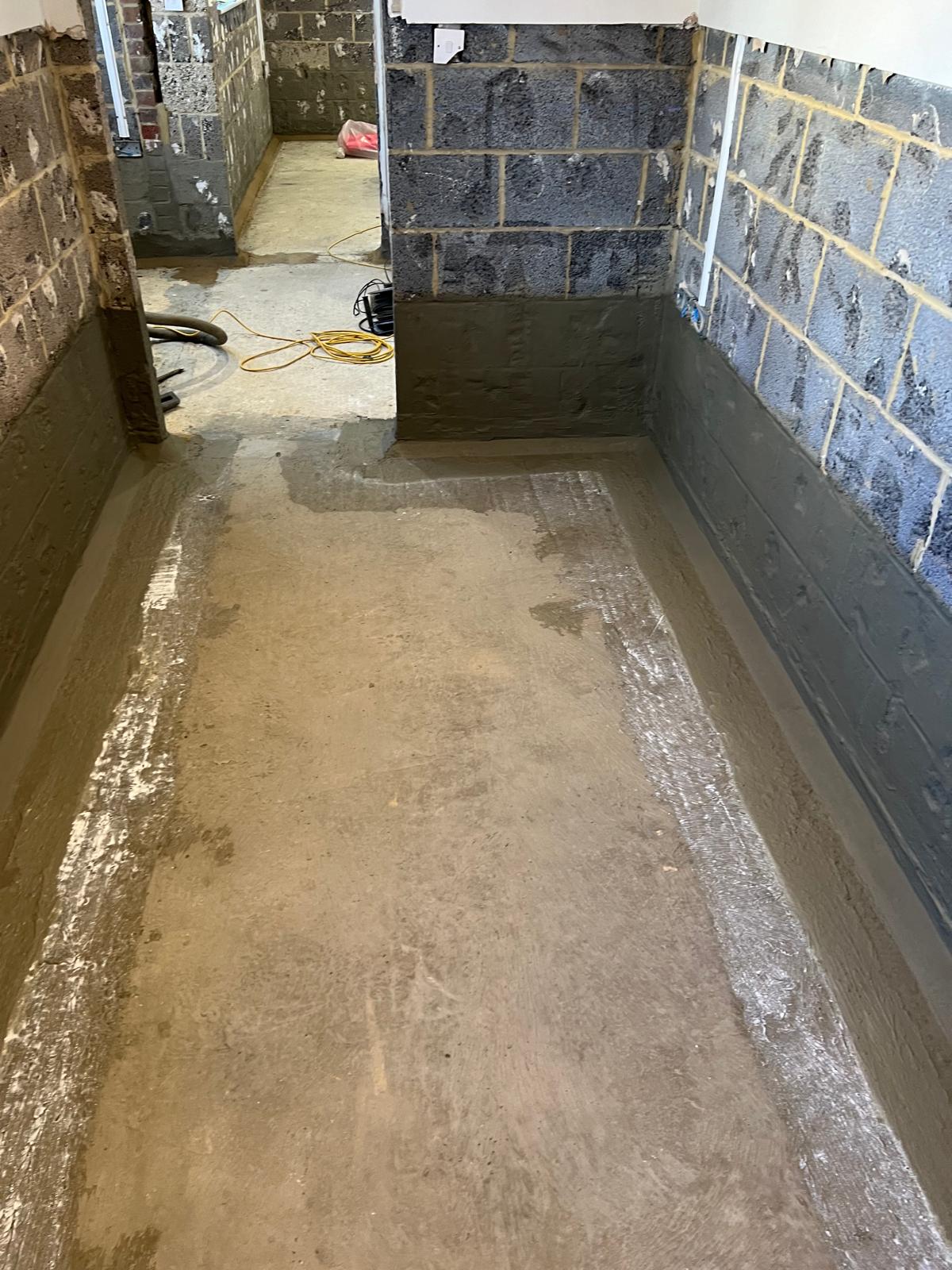
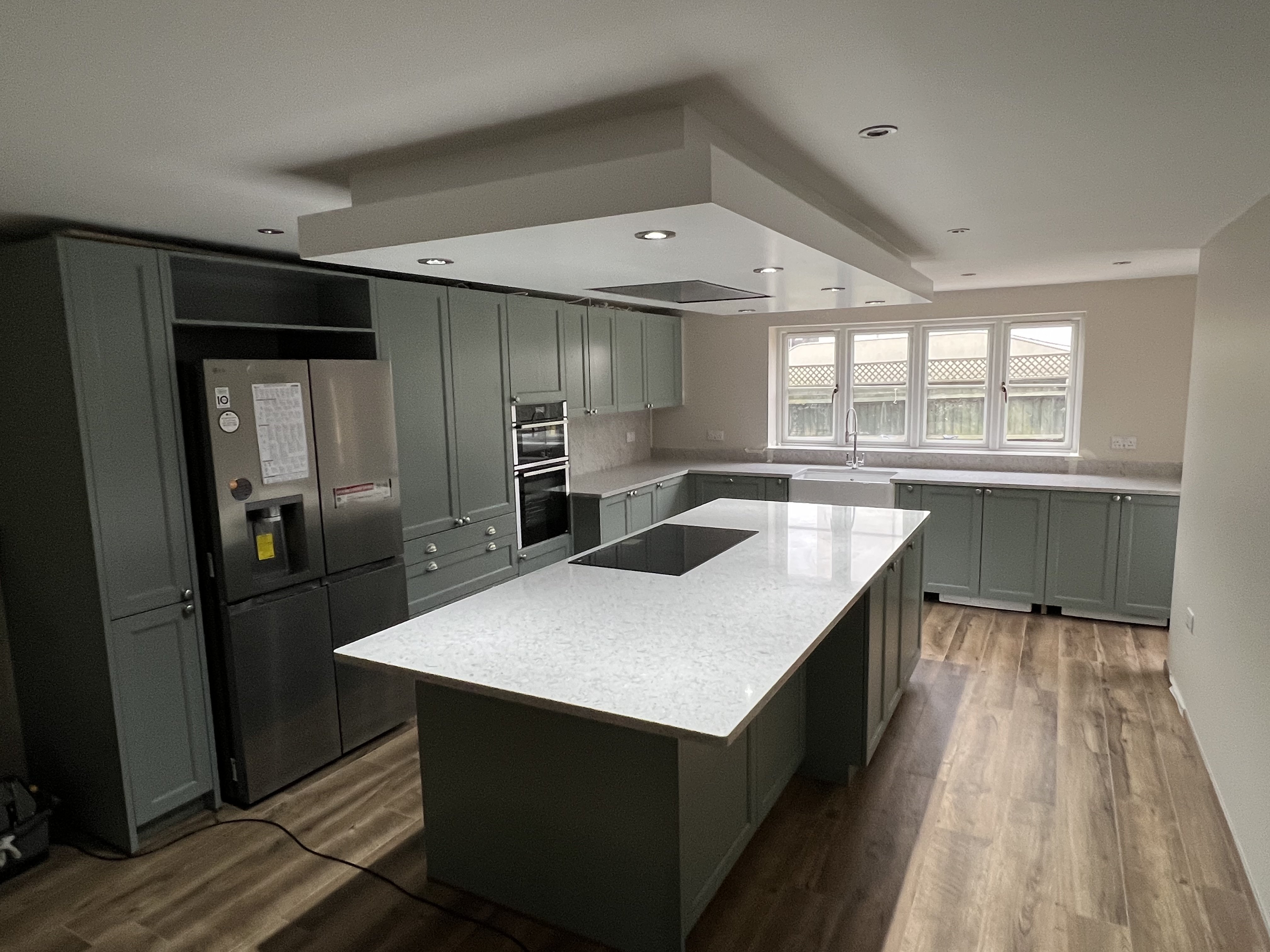
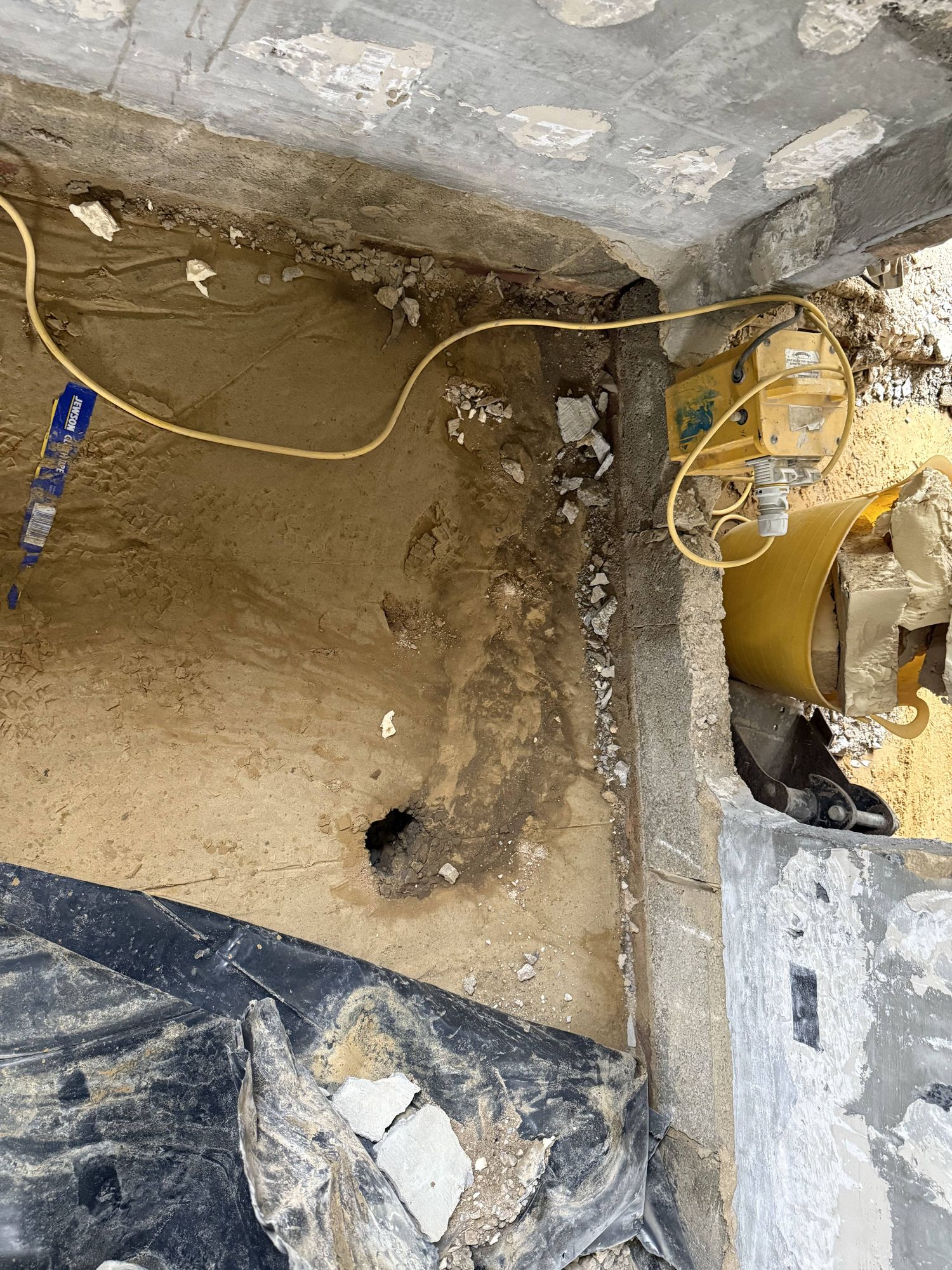
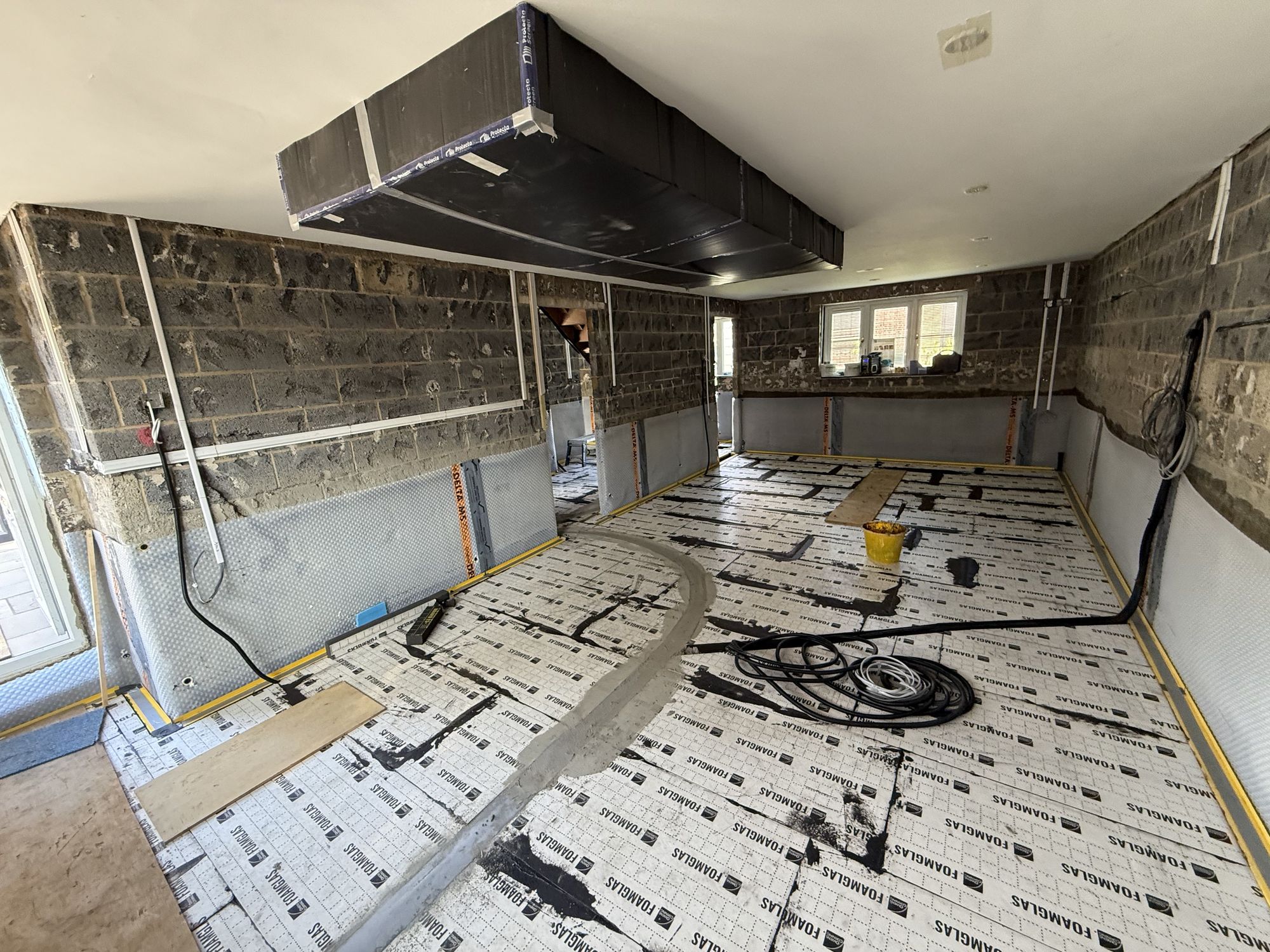
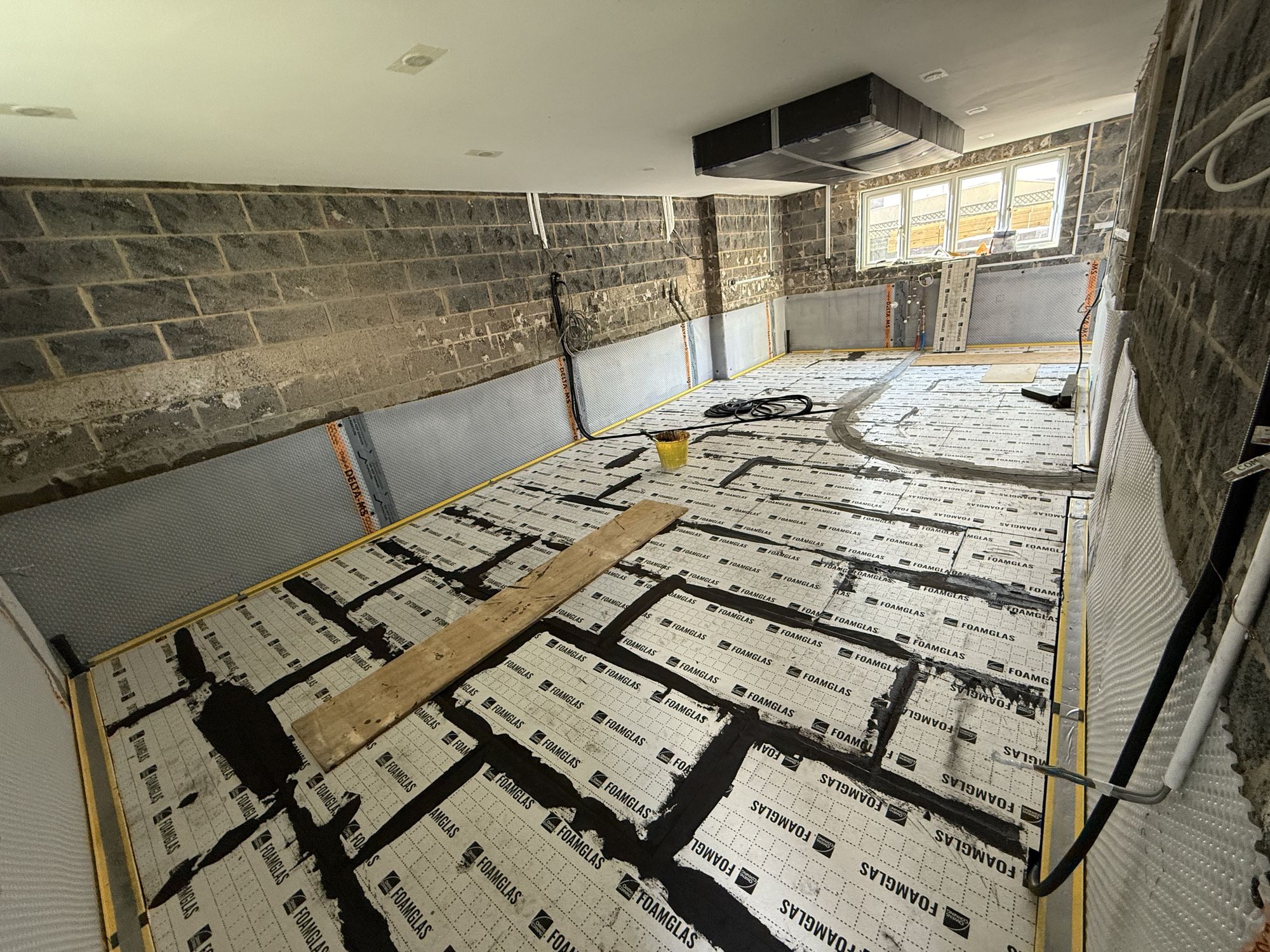
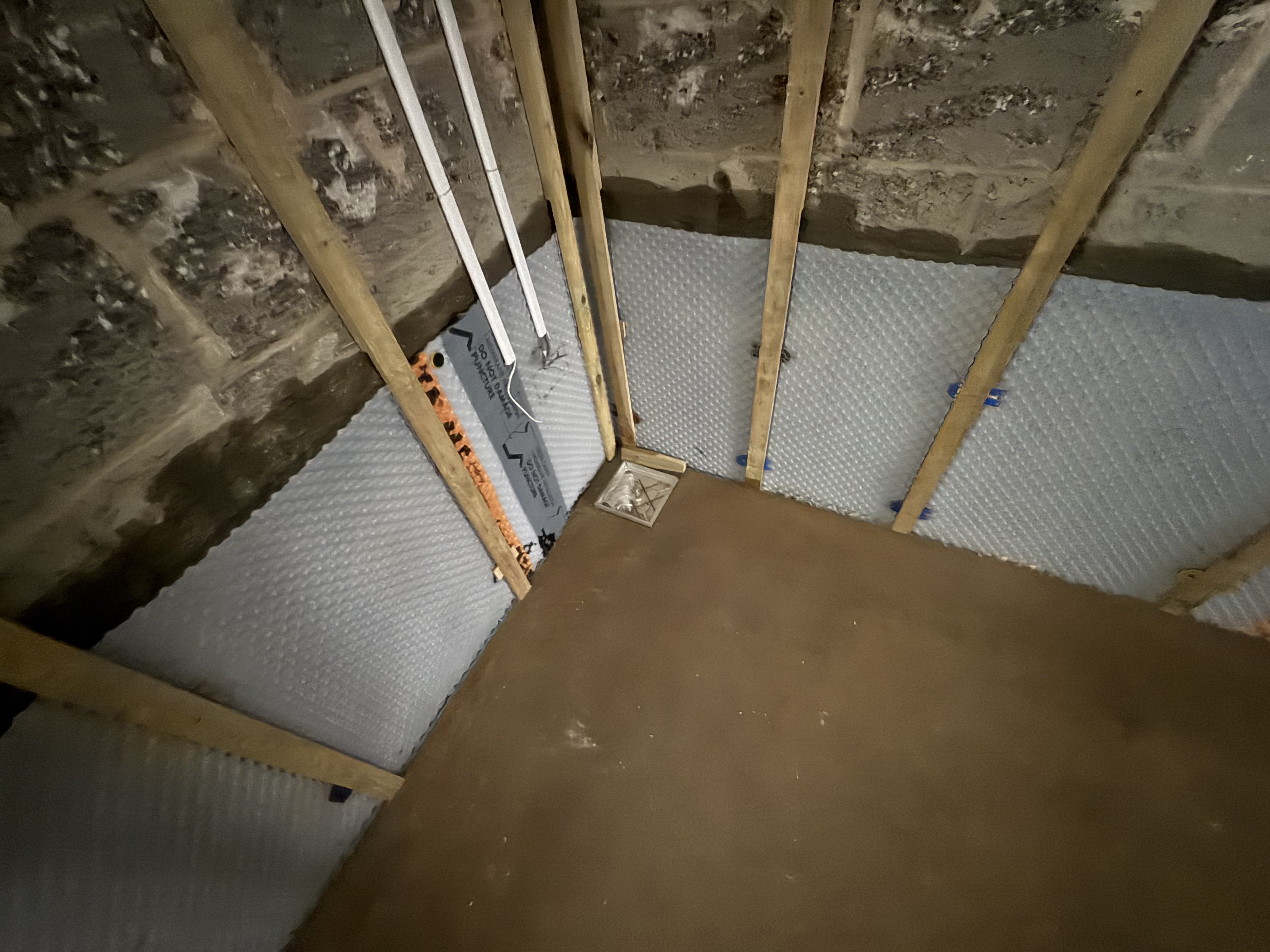
Five weeks after moving back in. The insurer's contractor had cut the DPM during the first reinstatement.
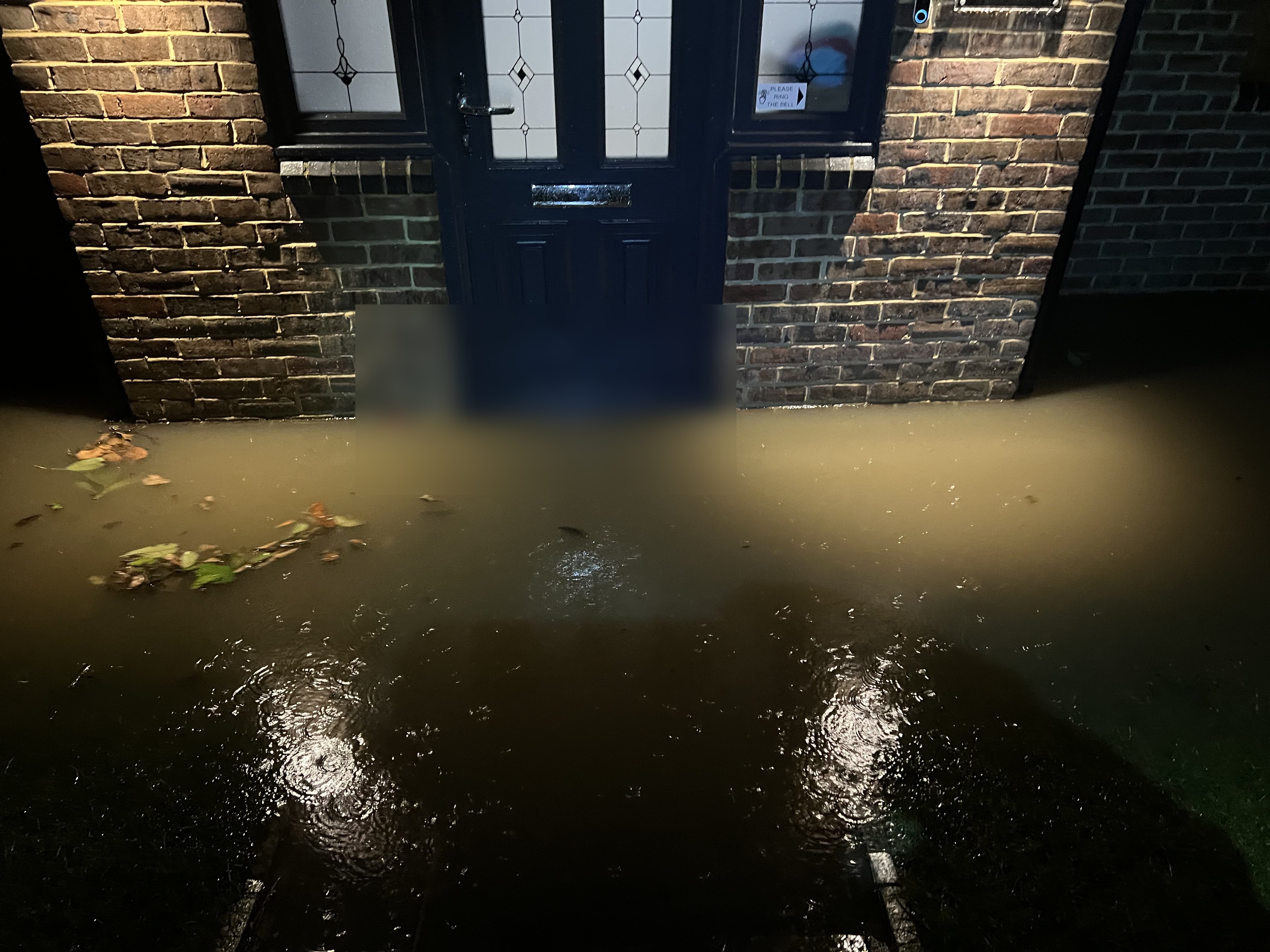
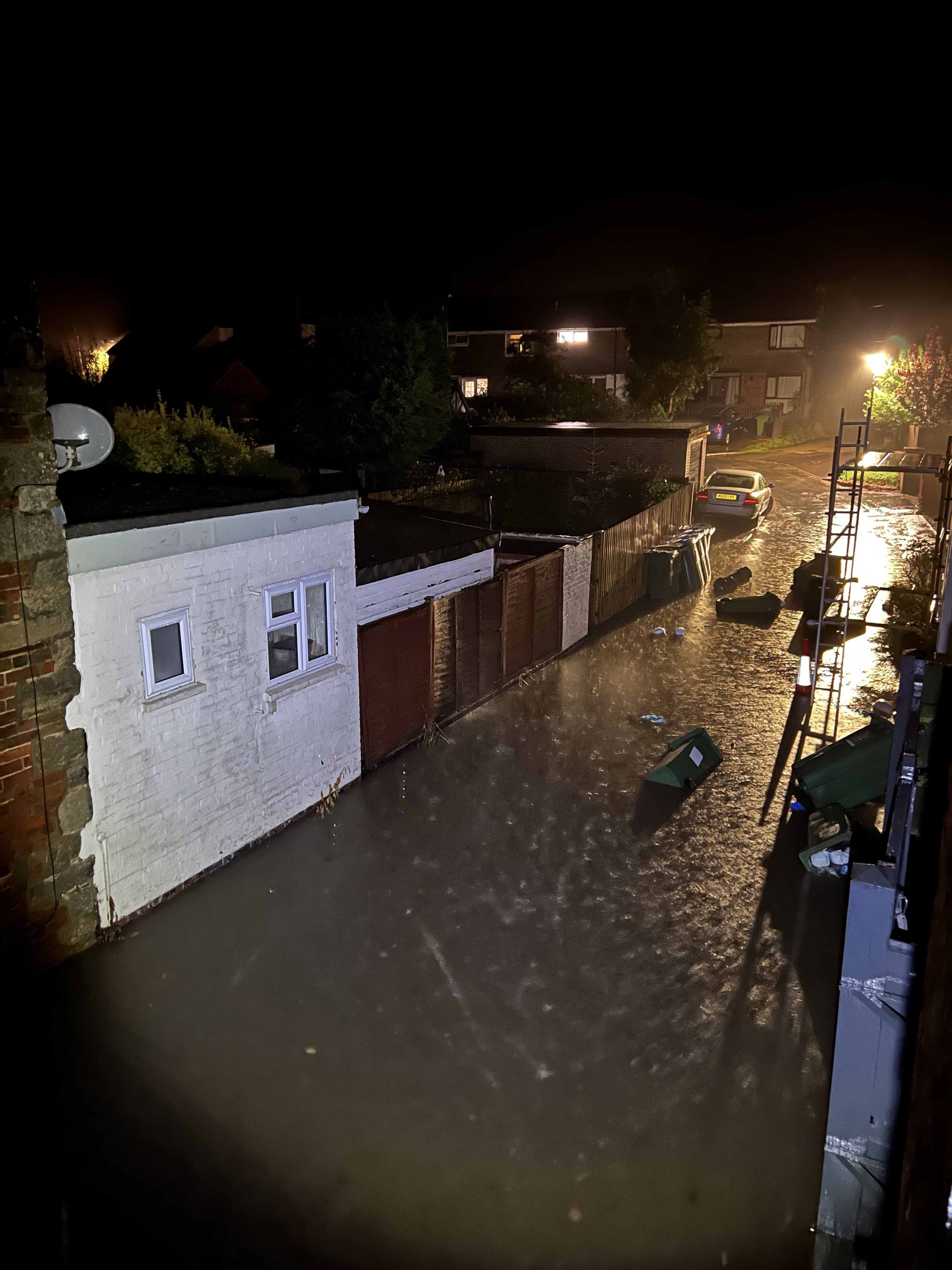
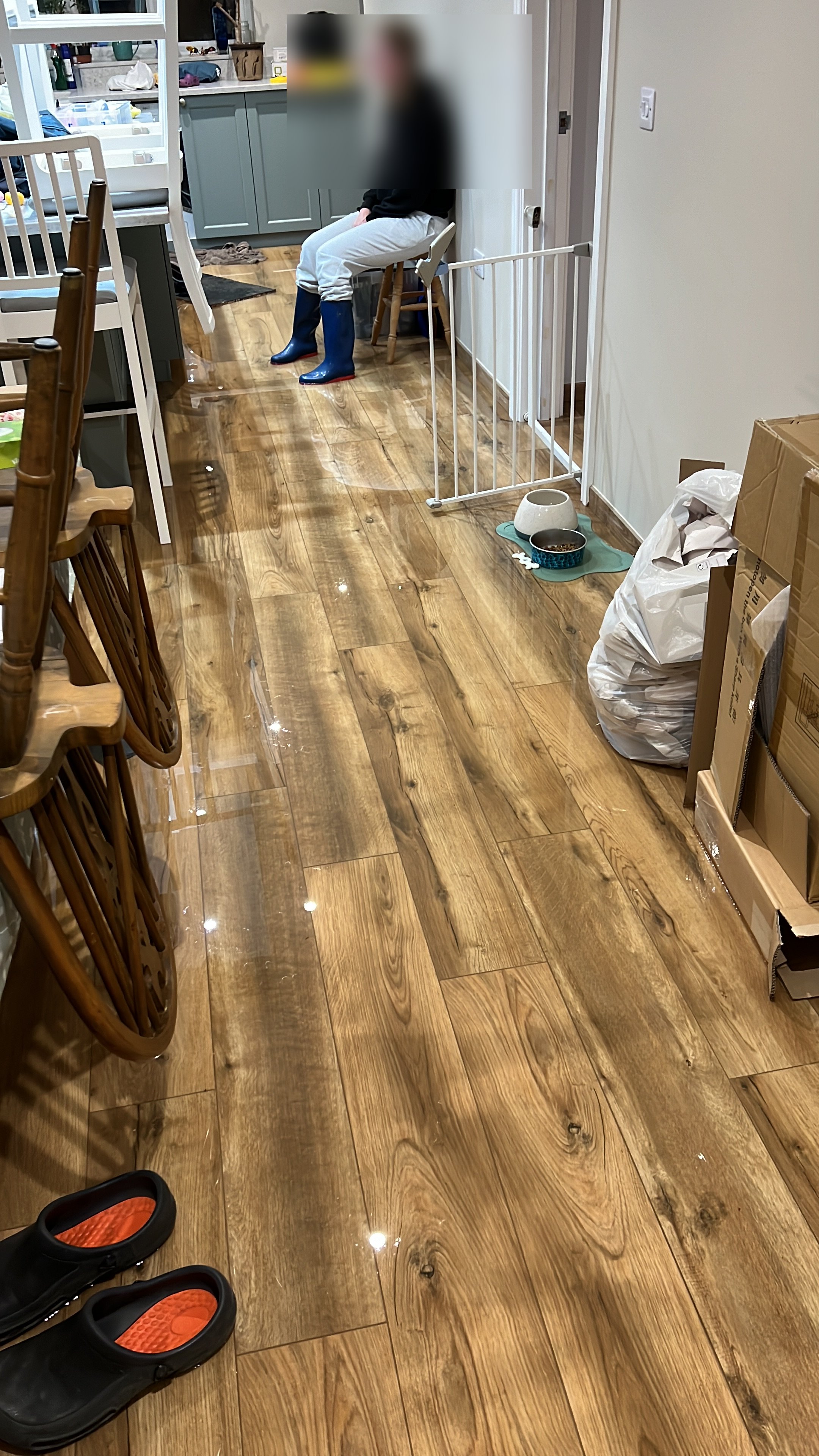
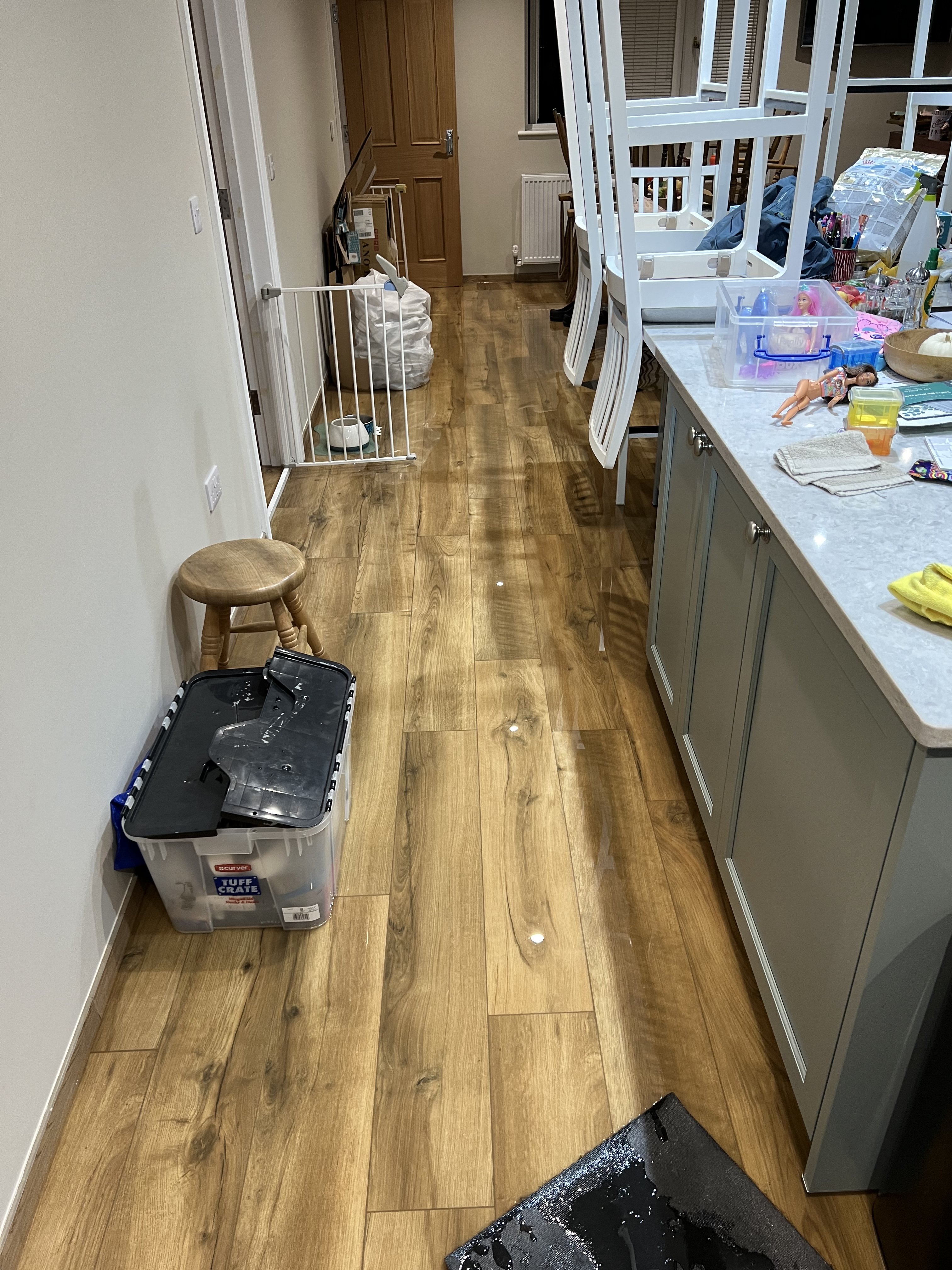
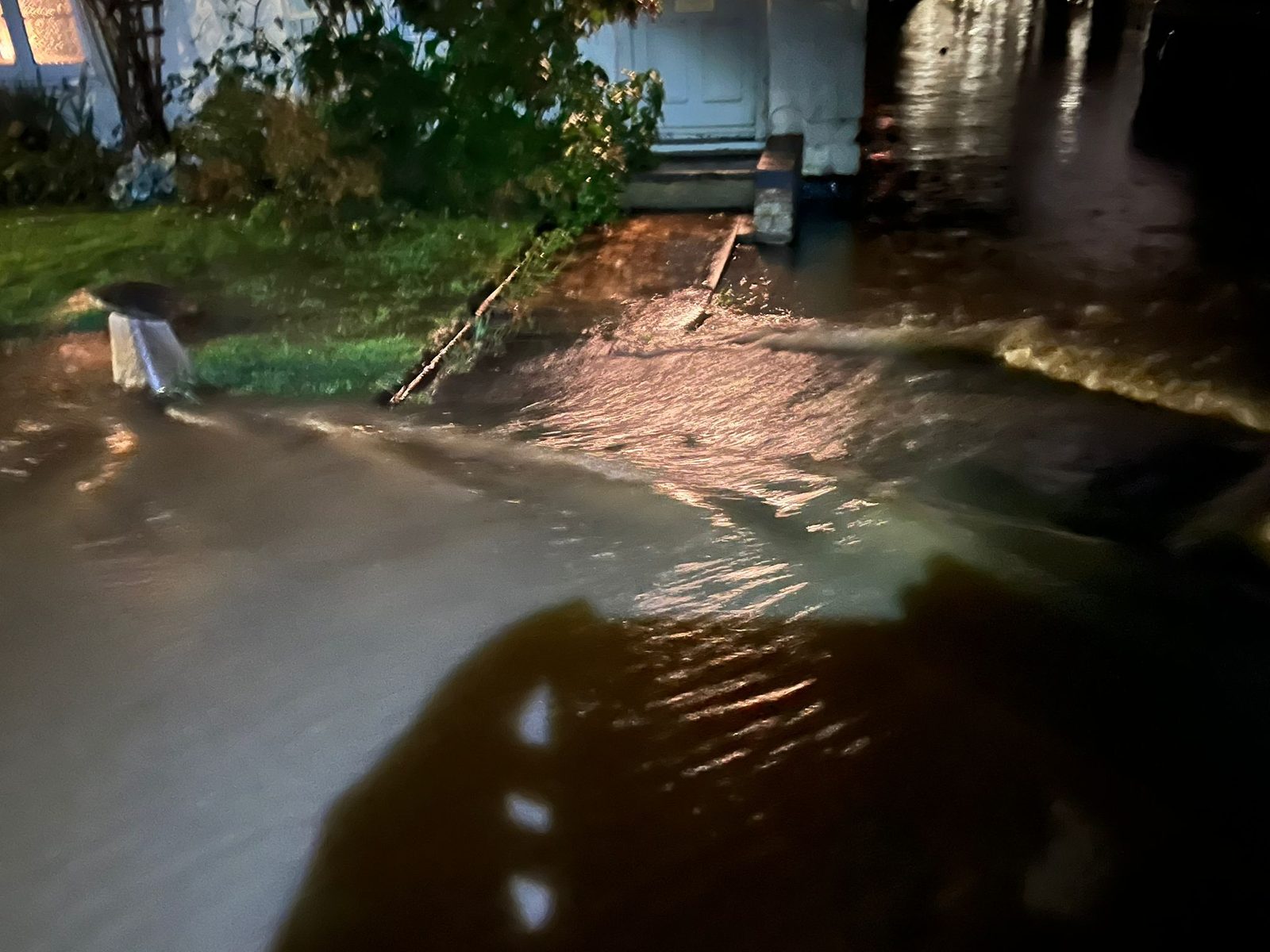
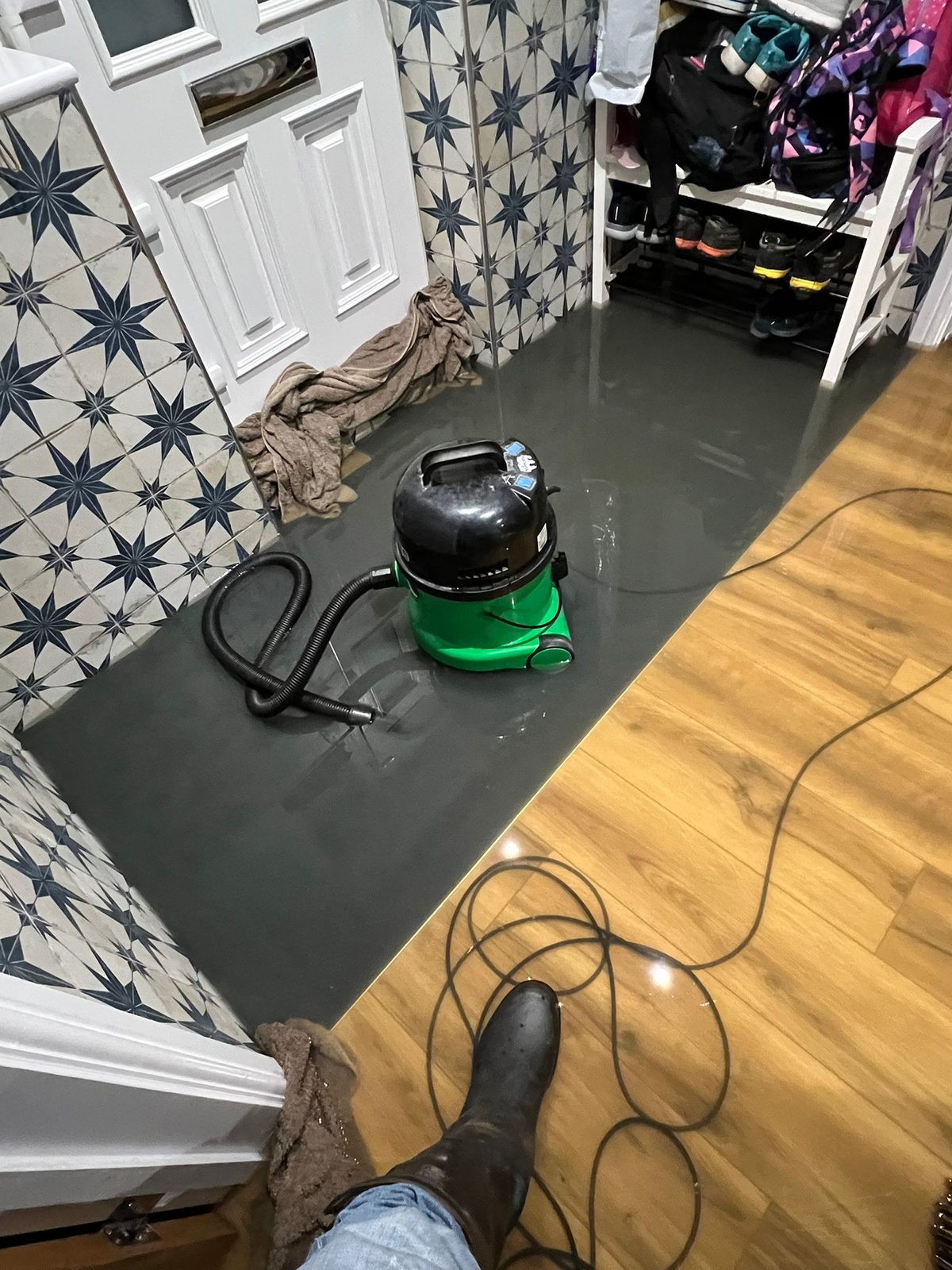
The cause of the second flood was not contested. It was documented by an independent chartered building consultant appointed by the insurer's own loss adjusters.
In December 2024, the loss adjusters appointed by the insurer commissioned an independent chartered building consultant to investigate the property after the second flood. The brief asked three specific technical questions: whether the original damp-proof membrane (DPM) and damp-proof course (DPC) detailing would have been flood-resilient enough to prevent water rising through the floor; whether the alterations carried out during the first flood remediation had compromised the original damp-proofing; and whether the thermal insulation beneath the concrete slab had been compromised by the earlier flood events.
The report was prepared by Stephen Hodgson FCABE, CSTDB, CSSW, a Property Care Association member, and issued on 28 December 2024.
The findings were unambiguous.
The contractor who had carried out the first flood remediation had cut the original damp-proof membrane flush with the top of the concrete floor slab. The horizontal damp-proof course — designed to prevent moisture rising by capillary action into the lower sections of the ground-floor walls — was no longer linked to the subterranean damp control membrane. The moisture control system that the building had originally been constructed with had been physically severed.
A cementitious slurry waterproofing had subsequently been applied to the lower walls and floor slab in an attempt to re-establish that continuity. The Hodgson report concluded the strategy had failed. Calcium carbide moisture readings taken from the internal blockwork above ground level showed total moisture content above 10% — a level indicating both the failure of the damp control measures and the presence of significant free water at the base of the building, available to support continued capillary rise.
The report's conclusion on the contractor's responsibility was explicit. The contractor who had designed the post-flood remediation works had been aware of the broken continuity. The workaround chosen — bonding a cementitious waterproofing system onto the original plastic damp-proof membrane — was identified as a technique that is not feasible as a long-term watertight solution.
This report was commissioned not by the homeowner but by the insurer's own appointed loss adjusters. It is the formal independent confirmation of what RISE's founder had argued throughout the recovery process. It also forms part of the evidence base that supported the ten formal complaints raised through the insurer's internal complaints process.
All ten upheld. Compensation paid on each.
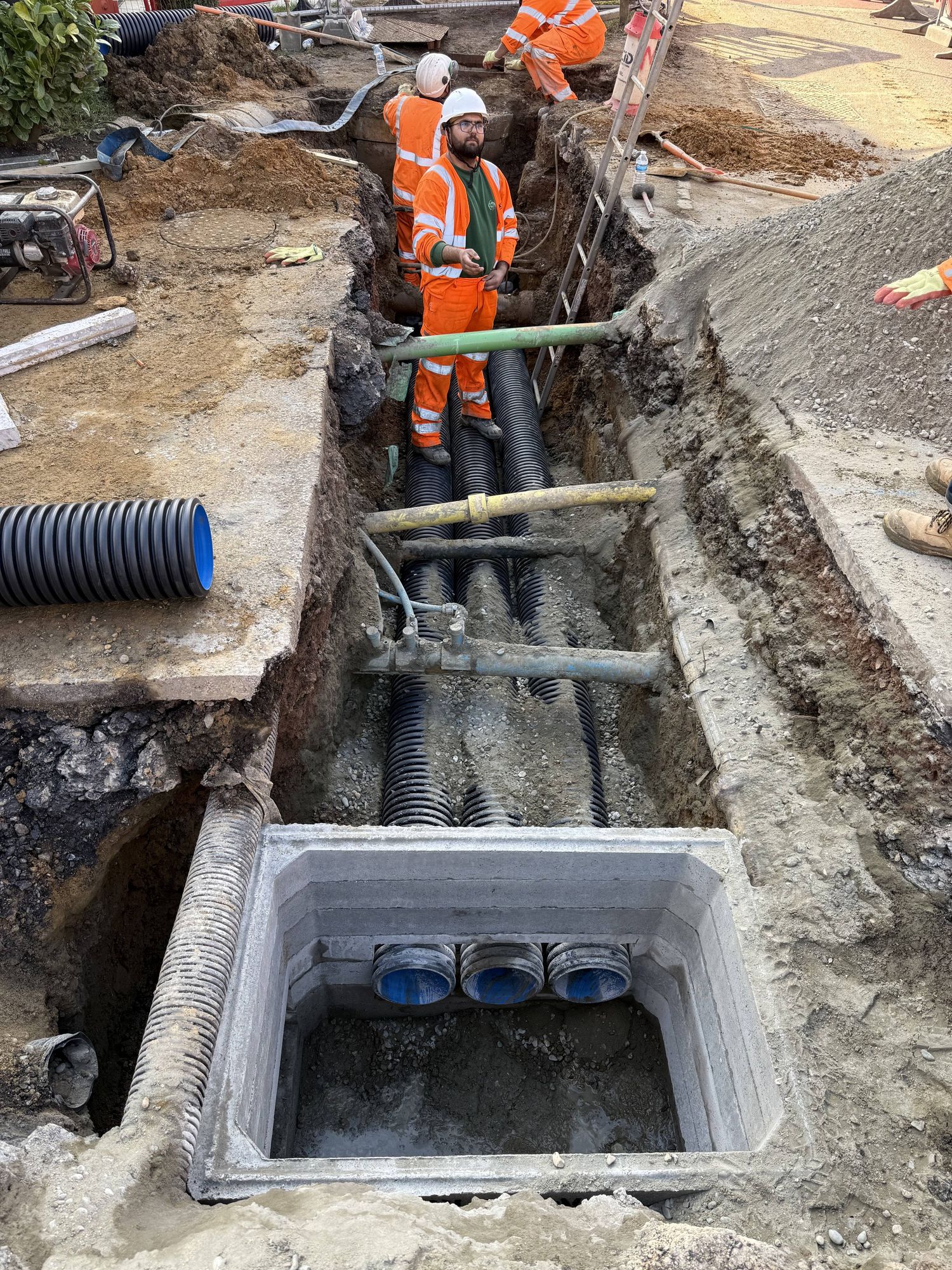
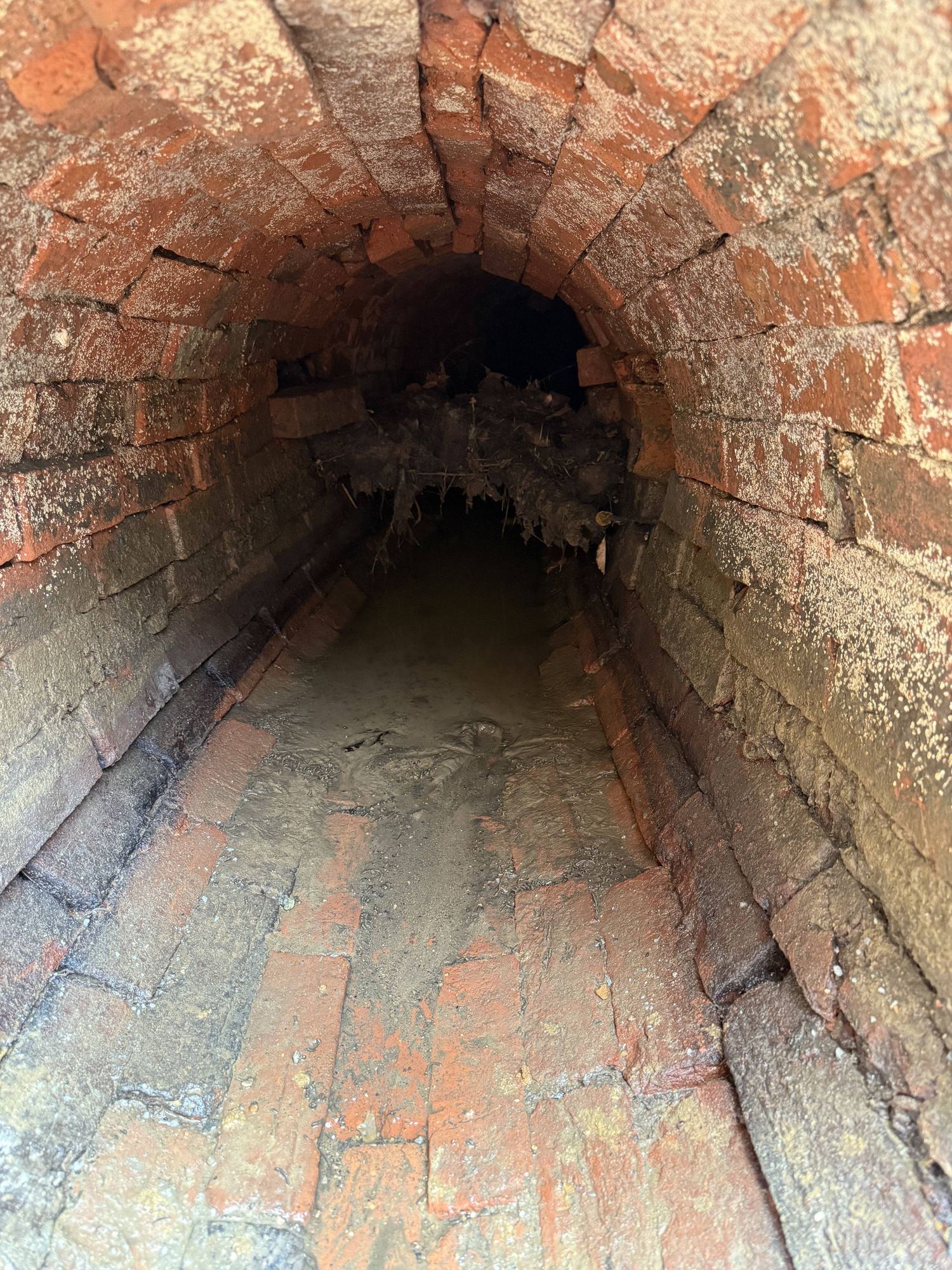
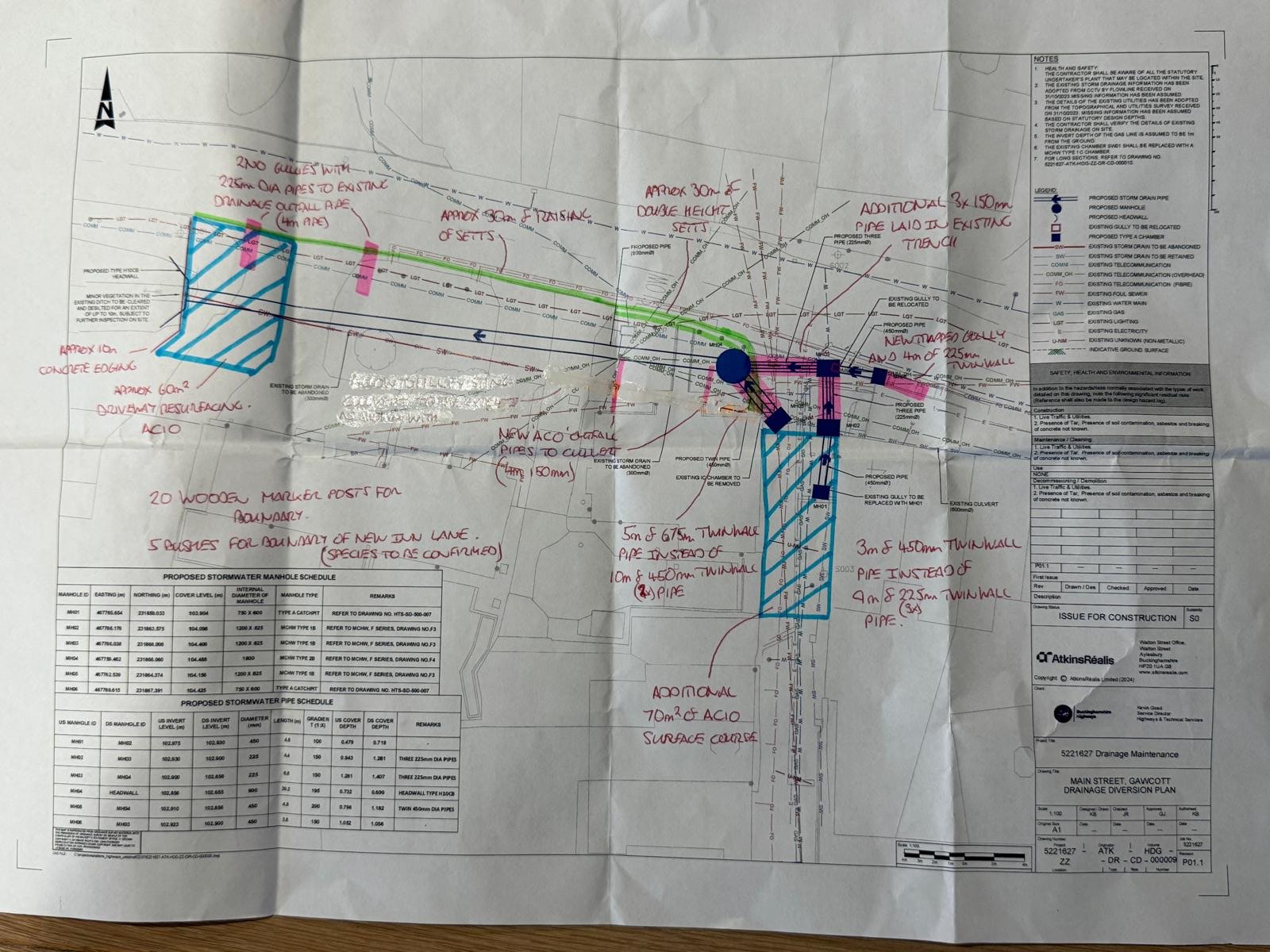
The cause was not bad luck. It was infrastructure failure accumulating for decades beneath the village.
Public Document
Buckinghamshire Council's Section 19 Flood Investigation Report — the statutory investigation that documented the cause and drove the £2 million of council infrastructure works.
Download the Section 19 report (PDF) →Every stage photographed. Every decision documented. Managed entirely independently of the insurer.
No obligation. No jargon. By the end of the call you will know exactly where you stand — whether you engage RISE or not.
Available 24 hours, 365 days No callback RISE directly
Live data from the Environment Agency, refreshed every 15 minutes.